The Peter Attia Drive
#387 – AMA #83: Peptides—evaluating the science, safety, and hype in a rapidly growing field
Did you know?
We are 100% ad-free. To do this, our work is made entirely possible by our members. In return, we offer exclusive content and benefits above and beyond what is available to non-members. These include extensive show notes for every podcast episode, member-only “Ask Me Anything” episodes, Premium Articles produced by myself and our dedicated team of research analysts, and access to The Qualys, a member-only podcast feed of short episodes that highlight the best questions, topics, and tactics discussed on The Drive.
In this “Ask Me Anything” (AMA) episode, Peter explores the topic of gray-market peptides, one of the most requested and most confusing topics he’s covered on The Drive. Peptides sit at the intersection of biological plausibility, clinical promise, and aggressive commercialization, and are often marketed as cutting-edge therapies for everything from muscle repair and longevity to cosmetic enhancement. Rather than promoting or dismissing peptides wholesale, Peter lays out a clear, repeatable framework for evaluating any peptide or drug—covering mechanism, intended effects, safety, dosing, and alternatives. He distinguishes FDA-approved peptide therapeutics from the loosely regulated “peptides” common in biohacking culture; examines the strengths and limitations of animal and human evidence; unpacks manufacturing, gray-market sales, “research use only” labeling, and third-party testing; addresses oral peptides and absorption challenges; and explains how patents and incentives shape which compounds advance through clinical pipelines. The discussion concludes with a sober look at what would need to change for peptides to become broadly usable therapies, where legitimate peptide therapeutics may expand next, and which areas of medicine stand to benefit most right now.
If you’re not a subscriber and listening on a podcast player, you’ll only be able to hear a preview of the AMA. If you’re a subscriber, you can now listen to this full episode on your private RSS feed or on our website at the AMA #83 show notes page. If you are not a subscriber, you can learn more about the subscriber benefits here.
We discuss:
- Setting the framework for evaluating peptides, and explaining the goal of this discussion [3:15];
- What peptides are: basic definitions, biological roles, and therapeutic foundations [5:30];
- A framework for evaluating peptides: mechanism, evidence, safety, and regulatory context [10:00];
- Peptide case study—SS-31: mechanism of action, approved use in Barth syndrome, and other claimed effects [18:15];
- Does the mechanistic rationale for SS-31 translate into measurable benefits? [22:15];
- SS-31 continued: safety considerations, gray market risks, the balance of risk versus reward, and why it belongs in bucket #3 [26:00];
- Peptide case study—melanotan-II: claimed effects, mechanism of action, safety, and side effects [30:45];
- Melanotan-II continued: weighing the potential risks versus benefits and why it belongs in bucket #2 [36:30];
- Peptide case study—CJC-1295: growth hormone–stimulating mechanism, claimed effects, and limited human data [40:15];
- CJC-1295 continued: dosing uncertainty, risk-reward analysis, lack of long-term safety data, limited approved options, and why it belongs in bucket #2 [49:30];
- Peptide case study—BPC 157: uncertain origins, broad claims, and weak mechanistic evidence [57:45];
- BPC 157 continued: review of human evidence, lack of replication of animal data, safety considerations, risk-reward analysis, and why it belongs in bucket #1 [1:03:15];
- Other popular “gray market” peptides and why they mostly fail when under scrutiny [1:11:15];
- How the evidence on peptides compares to rapamycin, and why the lack of data is the biggest concern [1:20:00];
- Understanding peptide regulation: FDA approval, supplement oversight, and the risks of gray-market compounds [1:23:00];
- Inside the gray market: how peptides are sold, regulated, and why testing cannot guarantee safety [1:26:45];
- Limitations of oral peptides, and examples of peptides in bucket #4 [1:31:45];
- The future of peptides: real therapeutic potential versus hype in the wellness market [1:35:00]; and
- More.
Show Notes
*Notes from intro:
- In today’s AMA, we take on one of the most requested and most confusing topics we’ve ever covered, peptides
- Peptides sit at the intersection of biological plausibility, clinical promise, and rampant commercialization
- They’re often marketed as cutting edge regenerative therapies for everything from muscle repair and longevity to cosmetic enhancements
- But the reality is that the peptide ecosystem is sprawling, poorly regulated, and filled with claims that range from legitimate to completely ungrounded
The goal of this episode is not to promote peptides or dismiss them as a category, but to give you a framework for evaluating them
- We walk through:
- What peptides are
- What questions you should ask before putting any peptide or any drug into your body
- How to think about:
- The strength of evidence
- The safety profile
- The difference between science and marketing hype
- Specifically, we’re going to discuss:
- Why peptides have become such a dominant topic in the wellness and longevity culture
- The differences between FDA approved peptide therapeutics and “peptides”, which are what most people refer to with quotes in the biohacking world
- A framework for evaluating any peptide, mechanism, intended effects, safety, dosing, and alternatives
- Then we’re going to run our framework through a handful of examples in detail
- SS-31, talk about the background, the biology, and the types of conditions it has been studied for
- Melanotan-II, receptor activity, common claims, related FDA approved compounds in the same pathway
- CJC-1295, and talk about growth hormone signaling, why it has been studied in humans, what it’s been studied for, and how dosing is typically approached.
- BPC 157—no discussion on the topic would be complete without that—the origin story, the proposed mechanisms, and the nature of the animal and human evidence that’s often cited
- We’re going to talk about the role of patents and the incentives in drug development, and why some compounds do or don’t advance through formal clinical pipelines
- We’re going to compare peptide evidence standards to other widely discussed interventions that fall into high interest in complete data categories
- We’ll talk about how peptides are manufactured and sold in the gray market
- What the research use only designation actually means
- What third party testing can evaluate and what it doesn’t capture
- We’ll talk about oral peptides, digestive breakdown, absorptive challenges, and what we know from pharmaceutical examples
- We’ll talk about what needs to happen for peptides to become more broadly usable therapies,
- Where peptide therapeutics may expand in the future
- And what areas of medicine might be most actively and positively benefited right now
Setting the framework for evaluating peptides, and explaining the goal of this discussion [3:15]
- Peptides are a topic we get asked about an insane amount
- The goal with this episode is not to promote or dismiss peptides overall, but just to give people a framework about how to think about them
We will also explain
- What are peptides
- Where is the science solid, weak, or non-existent?
- How to evaluate the claims that people make?
- With this, we’ll walk through a core set of questions that apply to any peptide, and we’ll apply it to a variety of popular
- Do we know the mechanism of action?
- What do we know about safety and dosing?
- Is there any evidence that it can be helpful in humans?
- How to compare the risks and the potential benefits?
- Are there any other legitimate, approved solutions that are available?
- At the end, we’ll zoom out and talk about the gray market space for peptides
- Including how people should think about purity, sourcing, etc.
- And then, we will truly end on the potential future of peptides
- What new information would have to come out to really understand where these could be promising
- It’s a lot of different things to cover
Anything you want people to know before we get rolling?
- The reason it has taken us so long to come out with this AMA is we wanted to do this justice
Peter adds, “We don’t do anything in moderation on this podcast, except for moderation. There’s a bar that just had to be cleared, I hope we’re about to clear it for you as a listener.”
What peptides are: basic definitions, biological roles, and therapeutic foundations [5:30]
Define what peptides are
- It’s funny, Peter’s wife was asking him a peptide question at dinner over the weekend, and naturally, the 8-year-old and the 11-year old were like, “What are peptides?”
Peter explained to them, “Look, there’s nothing magical here. A peptide, it gets talked about in this health and wellness space like it’s something magical or new, but it’s not. A peptide is a short chain of amino acids.”
- He doesn’t think there’s a real clear definition of what constitutes a peptide versus a protein
- Clearly, once you’re into the thousands of amino acids, you’re clearly talking about proteins
- Peter has read definitions that would suggest up to 60, up to 100 [amino acids], but the point is: it’s pretty small
A relatively short number of amino acids strung together forms a peptide
- Sometimes it’s so short that it’s literally just a straight line of amino acids, and other times they form more complex structures—they form rings and things like that
Peptides are things that the body naturally produces (there are many examples)
- They serve all sorts of essential functions: they act as signaling molecules, neurotransmitters, they act to facilitate the transport of molecules, they sometimes can act as antioxidants
- Some of these peptides are going to sound really familiar
- Some of the most important things that people have heard of like endorphins, insulin, GLP-1 (these are all peptide hormones)
Some of these things can be produced synthetically
- So we’re able to create peptide-based therapies that can mimic the endogenous or body-produced peptide
- Again, Peter would say that the single most important of these would be insulin
- Insulin was discovered roughly 100 years ago
- It was clear that in a disease called type 1 diabetes, that people who lacked insulin because their beta cells were being attacked by their immune system were going to die, and if we couldn’t give them some form of insulin, that they were going to be in trouble
- Initially that was done by taking insulin from dogs or pigs
- But ultimately, once insulin could be synthetically produced, you could create a therapy to save the life of somebody with type 1 diabetes
- More recently, people will be very familiar with the GLP-1s
- We’re going to talk about that because in the GLP-1 world, we’re not typically giving people the exact same peptide, but we’ll come back to that
A lot of times when people are asking about peptide supplements, they’re not always referring to insulin or even GLP-1s
What is the goal with peptides that you want to make sure we talk about today?
- We’re going to talk about these a little differently
- We’re definitely not going to talk about insulin today
- We will talk a little bit about GLP-1, but from a sort of regulatory standpoint
In medical terms, a peptide broadly refers to an FDA-approved therapeutic molecule
- Again, like insulin or GLP-1 drugs
Peter clarifies, “But in the more colloquial sense, the word peptide, as we are going to talk about it today, is more of the biohacking, pop science, bro science connotation that refers to various therapeutics that are touted for various benefits, often related to ‘longevity and beauty and tissue healing recovery performance,’ but they don’t have an FDA approval at all, or they’re being just used off label for any of these purposes.”
- So, when we’re going to talk about peptides, we’re going to be talking about things that are generally administered via injection that have become popular despite a lack of scientific or medical consensus on their efficacy
- These are going to be things that are virtually all available through “gray market” means, and we’re going to talk about what that actually means, and why that’s necessary
- By necessary, Peter means why that’s the means by which you would acquire these things
- In which their sale isn’t technically illegal
- But by marketing them for “research use only,”—they’re not approved for human use, but everybody understands that they are indeed being used by people
A framework for evaluating peptides: mechanism, evidence, safety, and regulatory context [10:00]
Given that a lot of these are gray market, not FDA-approved peptides, how do you recommend people start to think and evaluate the potential of whether they can be helpful or not?
- We want to talk about this across the entire spectrum of efficacy and safety
- But we don’t want to even entertain the question, “Do peptides work as a category?”
- The answer is obviously they do
- Again, we’ll point to GLP-1 agonists, insulin, and even longer proteins that are probably on the verge of still being peptides, like hCG, that are clearly clinically efficacious
- What we want to really do is take an unbiased approach and evaluate whether any given peptide has enough evidence for:
- Its safety
- Its actual efficacy
- Examine the regulatory structure of it
- And ask the question: Is there a justification for real world use?
- Peter thinks this is most helpful when evaluating things through the lens of these unregulated peptides
- And that’s the focus today
- That’s the value we can bring in this podcast to this discussion
Whether FDA-approved or not, you should always be asking the same question of anything you put in your body
- Let’s just take a few steps back and not even think about this through the lens of a peptide
- If you’re going to put any drug in your body, you should be asking these questions, and the answers to these questions should be kind of informing your decision making
1 – Is there a viable mechanism of action?
- There’s very technical ways to think about this
- Peter is not interested in vague theories like it boosts energy production—that’s not a mechanism of action
- What we want to know is: Do we have a defined course of mechanistic steps that might logically lead to an intended effect?
Peter makes the point, “This is very important. In fact, the list of drugs that are approved by the FDA for which we don’t have a mechanism of action is very small.”
- It’s estimated to be no more than 3% of total drugs that are approved
- This is everything that you get a prescription for, and everything that is sold legally over the counter
“If there’s no mechanism of action, you should be very skeptical of a drug or supplement.”‒ Peter Attia
- Now, there are some interesting examples: Tylenol is an exception
- Believe it or not, we don’t actually know how Tylenol works
- We don’t know how lithium works
- We did a newsletter on this somewhat recently talking about lithium for potential cognitive benefits, we don’t actually know how it works (there’s some speculation)
- Something like Mucinex, we don’t really know how that works
- So, there are exceptions out there, but they’re very rare
2 – Another question you should be asking is: What do we know about the downstream effects of this in healthy individuals?
- This is another way of saying: What is the efficacy of this drug, in particular in healthy humans or in the patient population that we’re interested in addressing this in?
3 – Another question is: What do we know about safety?
- That usually means starting in animals, but eventually you have to figure out what the safety looks like in humans
- Of course, that’s also a function of dose and usage pattern
4 – How do you then weigh the potential risks of the potential side effects with the intended benefits of the drug?
- Take something like an antibiotic
- Antibiotics have lots of side effects, some of them can be really quite devastating, but we also know that they have really important intended downstream effects
- As such, nobody would ever suggest you just take antibiotics willy-nilly, that would not make sense to ward off any potential bacteria in the room
- Rather, we reserve them for when the risk of not taking the antibiotic is high enough
5 – Another question we always want to be asking is: Are there legitimate approved alternatives available?
- This is actually specific to the peptide question because again, once you start to talk about things that are gray market where you have no way of scrutinizing the legitimacy of a compound, you have to ask yourself: If I’m going to take this, should I be at least considering something that is FDA-approved that might have the same risk and benefit profile?
- [This framework of questions is summarized in the table below]
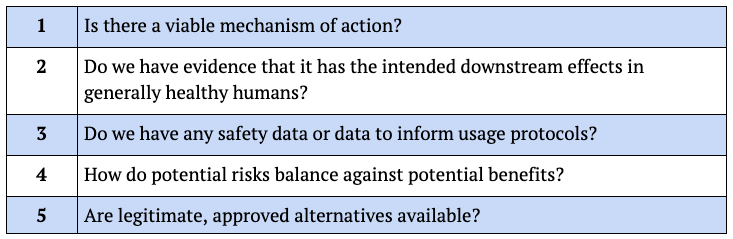
Figure 1. Questions to ask before you take anything.
Once you answer all of these questions, you can put any one of these peptides into basically a group of buckets
“You know me, I love my frameworks.”‒ Peter Attia
- This is a framework that we’ve come up with that you could put any peptide into—and there’s 4 buckets
Bucket #1: If you’re being intellectually honest, there would be no use case for this peptide
- You’ve gone through this line of inquiry and you really can’t make a compelling case for it if you’re being honest
- You can be dishonest and come up with compelling cases for anything
- These would be things for which you have no viable mechanism of action
- You just don’t have data, or there’s some theoretical mechanism, or there’s existing data that actually refute it
- You don’t have any data in humans or you might even have negative data in humans
Peter points out reasons for caution, “Another thing to look for with these peptides is when you get a lot of shifting goalposts for the alleged benefits, these are peptides where they tout one set of benefits and then they, a couple of years later, come out with a new set of benefits and then a new set of benefits and they’re just making up a new story all the time.”
Bucket #2: You have a viable mechanism, but the compound has never entered clinical trials
- Or if it did enter human clinical trials, it was abandoned, and there’s no real continued interest from pharma
- We’re going to talk about some examples there
Bucket #3: You have a viable mechanism of action and some safety and efficacy data
- Peptides have a viable mechanism of action
- They might even be currently in human clinical trials
- They might even be approved for indications other than those that are intended in the general use population
- You do have safety and efficacy data, though not necessarily in the population you’re interested in or for the indication you’re interested in, but they don’t have an approved version that exists for the current popular use
- And we’re going to talk about examples in all of these
Bucket #4: These are basically peptides that are stolen FDA approved drugs or hormones
- They’re basically peptides that are being sold that are being touted as exact replicas of approved drugs, but they’re being sold illegally via research purposes only
- [The table below summarizes Peter’s 4-bucket framework for classifying peptides]
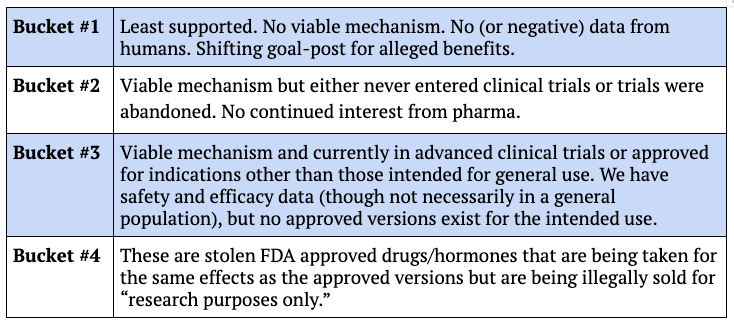
Figure 2. Peter’s 4-bucket framework for classifying peptides
The goal of this episode
- We’re going to talk through a handful of examples in a lot of detail to cover some very popular peptides (that’s why we’ve chosen them)
- But also to lay out the thinking that we’d like you to do as you embark on this journey yourself
- At the end of the show notes, we’re also going to include a database we’ve put together of maybe 20 other peptides that we’ve come up with our own point of view on
We’re going to go a little deep into the following peptides: SS-31, melanotan-II, CJC-1295 and BPC 157
Why did we pick those 4 peptides?
- They’re incredibly popular, they’re probably the ones Peter gets asked about the most from patients, friends, anybody
- And our goal is to evaluate them through the lens of these questions we just laid out
- What are the clinical claims?
- What’s the evidence?
- What are the risks?
- What are the practical considerations?
- Hopefully this gives you a framework to evaluate any other peptide, including the ones that we will cover later on
- We’re then going to talk about gray market peptides and how these things are subject to some regulatory oversight
Peptide case study—SS-31: mechanism of action, approved use in Barth syndrome, and other claimed effects [18:15]
Is there a viable mechanism of action that we know of for SS-31?
- SS-31 has a technical name, which is elamipretide
- It is actually the shortest peptide Peter is aware of—it’s a synthetic 4 amino acid peptide
Peter points out, “It’s synthetic, meaning this peptide does not exist by itself in nature, it was synthesized for a very important purpose, and it is popularly used for mitochondrial health.”
- Peter has seen many ads for this on Instagram, and it’s promoted all over the place for mitochondrial health, longevity, improved exercise performance, better cognitive function, cardiometabolic benefits
- He gets patients pinging him about this constantly
What do we know about it?
- It actually is an FDA-approved peptide
- It has an FDA-approved indication, it’s sold under the brand name Forzinity
- SS-31 is the name that it is sold under on the gray market
- And it is used for treating a very rare and severe X-linked mitochondrial disease known as Barth syndrome
- X-linked just means that the gene travels on the X chromosome (it’s a genetic condition)
- It is a disease that presents in very early life with cardiomyopathy, skeletal muscle weakness, growth delay, chronically low white blood cell counts, that leads to significant infections
- It’s actually a pretty dramatic disease
- Historically, Barth syndrome was almost always fatal during childhood
- And even today with all the medical advances we have, people really struggle with this condition to live beyond their 40s or maybe their 50s
- Childhood mortality is very substantial with this
- This is one of those diseases that’s referred to as an orphan disease, meaning it’s very rare, but obviously has significant morbidity and mortality associated with it
Back to the mechanism of action
- SS-31 is kind of interesting ‒ virtually every drug out there, whether it be a small molecule or a peptide, they usually bind to specific receptors
- That’s actually NOT the case with SS-31—instead, it selectively binds something called cardiolipin
- Now, this is a phospholipid that’s found in the mitochondria, specifically on the inner mitochondrial membrane
- And cardiolipin helps maintain the structure of the membrane and support the folds where the electron transport chain is located
- This in turn, of course, is responsible for producing the vast majority of energy in the cell in the form of ATP
- Listeners will remember this was discussed in detail in the podcast with Nav Chandel when we talked about mitochondria
- So, this mechanism makes sense for treating somebody with Barth syndrome, which is caused by defective cardiolipin remodeling—which leads to mitochondrial dysfunction in high energy tissues, like the heart and skeletal muscle
- This is why they present with cardiomyopathy and profound skeletal muscle weakness
But then the question is, so if we just stop there, you might say, “Well, should we be using this if we don’t have Barth syndrome?” Well, let’s think about that.
If you bind cardiolipin, SS-31 does appear to stabilize the intermitochondrial membrane, which can improve electron transport chain efficiency, again, reducing the generation of excess reactive oxygen species
- In preclinical and early human work, this translates to better mitochondrial function and ATP [production]
- So it is a viable mechanism, at least if we just want to leave it at that first question
Does the mechanistic rationale for SS-31 translate into measurable benefits? [22:15]
If it is a viable mechanism, do we have any evidence that it has the intended downstream effects in humans?
- For those with Barth syndrome, the answer is yes
- There was a very small study—which is understandable given how rare this disease is
- The study was called the TAZPOWER trial that had 12 males with genetically confirmed Barth syndrome, and they received 40 mg of the equivalent of SS-31 subcutaneously once daily in a randomized double-blinded placebo-controlled crossover design
- A crossover designs allows you to give 6 people a treatment, the other 6 would get the placebo, you would run them out, and then you would do a washout and then flip it
- So, it’s more statistically powerful
- It was followed by an open-label extension that ran for almost 4 years
What were they measuring in these people, and what were the results?
- Remember, these people are severely, severely limited
- So, it’s not like you’re testing their VO2 max, this was done based on a 6-minute walk test
⇒ The improvement, based on the use of the drug, was going from about 400 meters (so walking a quarter mile in 6 minutes), adding somewhere between 60-90 meters to that, over 6 to 24 weeks
- They also tested quad strength with leg extensions
⇒ People on this drug experienced a 40 to 50% improvement in leg extension strength
- The other thing that Peter thinks is really exciting (in the sense that it’s really nice when you see biochemistry at work), is the ratio of pathological to mature cardiolipin fell by roughly 40-50%, which aligned with the functional improvement
So, again, you’re very confident that what you were seeing was due to the intended consequence of the drug
Now, the bigger question is: If you go outside of Barth syndrome, do we have any evidence that this is going to work?
- Here Peter would say the evidence is pretty thin when we’re talking about enhancement of a generally healthy individual (which is what this is about)
- Peter has yet to see a single Instagram ad talking about cardiolipin, SS-31, for people with Barth syndrome
- Everything he’s seeing is “longevity health influencer space,” and so that’s what he will focus on
- There were a handful of other small RCTs that assessed SS-31 for patients with heart failure (so these people don’t have Barth syndrome)—they’ve arrived at heart failure, almost always through to atherosclerosis with reduced ejection fraction
- Even some age-related macular degeneration studies
- But they didn’t show any significant improvement on their primary endpoints
- Even a trial that investigated SS-31 for mitochondrial myopathies (that were different from Barth syndrome) haven’t been promising
- There was a phase III study called the MMPOWER-3 trial in primary mitochondrial myopathy patients, and it didn’t show a difference in the primary endpoint
- Which was the 6-minute walk test
- Although the patients subjectively reported lower fatigue
This suggests to Peter that unless you have a defect, a cardiolipin stabilizer like SS-31 isn’t going to do anything
- The upshot here is Peter doesn’t think we can assume that anybody, absent somebody with Barth syndrome, is really going to experience a benefit associated with using SS-31, shy of a placebo effect
SS-31 continued: safety considerations, gray market risks, the balance of risk versus reward, and why it belongs in bucket #3 [26:00]
What do we know about if we have any safety data or even data to inform potential usage protocols for SS-31?
- The evidence for safety is there in Barth syndrome because it is an FDA-approved drug
- But again, that’s a pretty extreme phenotype
- Across all the trials we’ve discussed, the safety profile was definitely fair
- Peter didn’t see anything that was of concern
- The main side effect was injection site reactions
- That’s incredibly common and nothing to be concerned with
Peter’s takeaway is that safety was not an issue
- Also, these things are cleared pretty quickly
- As it true for many peptides
- So within 48 hours, it’s mostly gone
- Now everything Peter just said is based on the FDA-approved product
Nobody can make those claims for these gray market products
- Where you don’t have any idea what the purity is
- You have no sense of anything from contamination risks to lack of sterility
- Again, you’re giving up the good manufacturing processes that are typically done in drugs
Based on all of that, when looking at SS-31, how are you thinking about the balance of potential risk versus reward?
- Mechanistically, SS-31 is very strong and it makes sense as a mitochondrial target
- It targets cardiolipin, it stabilizes the inner membrane, it improves ATP production, etc.
- But it appears that it only does this in people that have a very, very serious genetic condition that is compromised by everything we just discussed
- Again, we see that it can improve by 20-25% the 6-minute walk test, and 40-50% in leg extension
- So if you have Barth syndrome, Peter thinks this drug is a godsend
But when you go beyond that very, very niche orphan application, the story is remarkably unimpressive
“The claims that SS-31 slows aging or boosts energy or enhances performance are completely speculative.”‒ Peter Attia
- Peter is not going to doubt that there are people out there who are claiming that this drug has helped them
- But when you’re dealing with the power of the placebo effect, you have to rely on clinical data, randomized blinded clinical data
- And when we’ve looked at those, the answer is not there for even other populations such as these primary mitochondrial myopathies
Putting this all together, Peter would say SS-31 looks useful in a very specific orphan condition, and otherwise he thinks it’s mostly a bunch of marketing
For people thinking about this, are there any other legitimate approved alternatives available?
- Yes, but it’s ridiculous—the FDA version sells for $800,000 a year
- It’s an infuriating reality of these orphan drugs
- Although in fairness to the companies that develop them, when they’re developing a drug for so few people, they have to recoup their costs (although Peter is not sure that that cost is fully justifiable)
- Obviously, the gray market versions are incredibly cheap relative to this, but even using a pretty low theoretical dose like 4 mg per day (which is a dose that was studied, but was ineffective in the heart failure trial), you’re still spending $10,000 a year
- And there you’re buying something that is unregulated and you don’t know your purity and stuff like that
A legitimate version exists, it’s just not economical for anybody; and the gray market version isn’t cheap—Peter doesn’t think it’s justifiable
Wrapping up SS-31, what bucket do you put it in from the framework earlier?
- Peter puts it in bucket #3
- It has a viable mechanism via the cardiolipin binding
- It’s approved for use in this very rare, severe mitochondrial defect
- We have safety and efficacy data for that group, but it’s not approved beyond it
Peter’s recommendation would be to probably pass on this
- He doesn’t think it makes sense to do either the approved version of the drug for $800,000 a year or the non-approved version at $10,000 a year
Peptide case study—melanotan-II: claimed effects, mechanism of action, safety, and side effects [30:45]
- Melanotan-II is another one that gets talked about a lot
What are the claims being made, and is there a viable mechanism of action?
- Melanotan-II is a synthetic analog of α-melanocyte-stimulating hormone (α-MSH)
- This is the hormone that drives melanin production and then also regulates appetite and sexual function pathways via a family of melanocortin receptors
We definitely have a viable mechanism of action by which melanotan-II might lead to its desired effect via the melanocortin receptors
- This includes increasing skin color (suntanning, enhancing tanning effects of UV light), enhancing libido, and even moderating food control
- So if you put those together, it’s not surprised that this drug is nicknamed the “Barbie drug”
What do we know about any evidence that it has the intended downstream effects in generally healthy humans?
Looking at skin darkening, increased libido, etc.
- There are some small and early human trials that show that melanotan-II does what users say it does
- It darkens the skin with relatively little UV sun exposure
- It can induce erections in men with psychogenic erectile dysfunction
- In a phase I study in 3 men it increased skin pigmentation (don’t ask why they did a phase I study in 3 men)
- And in a double-blind crossover trial of 10 men, it triggered erections in most participants and increased the time spent in penile rigidity by about 80%
- Other studies have evaluated melanotan-II more qualitatively by analyzing user comments on discussion forums where many users reported the intending tanning effects along with other enhanced libido in both sexes and in many cases often reduced appetite
What do we know about safety data around it?
- Very little directly, but indirectly, we can compare it to other melanocortin peptides
- An important consideration with this peptide is that it’s quite non-specific
- So it acts on multiple different melanocortin receptors, which therefore leads to an array of potential effects
In addition to the typical desired effect on skin darkening, improved libido, erectile function and appetite, etc., another reported side effect of melanotan II includes nausea, yawning, facial flushing, fatigue, sometimes uneven skin tone or hair darkening
⇒ The FDA has also reported other adverse effects, including melanoma, sympathomimetic symptoms, and priapism (which is an erection that doesn’t go away for a long period of time)
- But because melanotan-II is an unapproved drug, the true prevalence of these conditions is unknown (they just rely on case reports)
Therefore Peter thinks these are all pretty rare issues
To think about this more critically, it would help to compare melanotan-II to the FDA approved melanocortin peptides
- These are molecules that are in the same family
- They target the same receptors, but they’ve actually gone through the drug pipeline
- 1 – The first of these drugs is bremelanotide (brand name Vyleesi)
⇒ Bremelanotide came up in episode #259 with Sharon Parish where we were talking about female libido
- This selectively targets the melanocortin-4 receptor, which really highlights sexual function—it is approved for hypoactive sexual desire in women
- 2 – And then you have afamelanotide (brand name Scenesse), which is more selectively targeting on melanocortin-1 receptors, and this is the sort of tanning pigmentation receptor
- It’s a small subcutaneous absorbable implant that’s approved for a rare skin condition where people are extremely sensitive to light, but it boosts their natural skin pigmentation to help protect them
- Because of its ability to darken skin—including moles—a concern is melanoma
To think about this, we can look more closely at the Scenesse side effects and AEs
For people on this drug, it is recommended
- That they have more frequent skin checks (twice per year)
- But an 8-year follow-up study didn’t show any increased melanoma signal
- That said, that study was relatively small
- It only had 115 patients, and obviously these people have very low sun exposure by the very nature of the condition they have
- Peter doesn’t know how applicable that is, and therefore he thinks it’s safe to say that we just don’t know what this peptide does for melanoma risk
- It’s theoretically possible, but he doesn’t think he can say one way or the other if it’s increasing risk or not
⇒ Additionally, the FDA-approved drugs still cause side effects like nausea and flushing
- So you just have to weigh that against the side effects of the melanotan-II, which would be even less specific in its receptor profile
The answer seems to be that there are documented adverse events and theoretical risks, especially around the moles and melanoma, but unlike the approved melanocortin peptides, melanocortin-II hasn’t been engineered for receptor selectivity or proven safe in a long-term study
Melanotan-II continued: weighing the potential risks versus benefits and why it belongs in bucket #2 [36:30]
Looking at everything you discussed, how are you thinking about the potential risks versus benefits?
- This class of medications by itself is not inherently dangerous—Scenesse and Vyleesi have shown that
Peter points out, “Melanotan-II’s lack of regulation, the lack of long-term data, the lack of receptor specificity means that the risks are going to be higher than anything out of the selective ones.”
- And even if we assume it gives you the desired benefits, those benefits are primarily cosmetic
Peter doesn’t know that there’s enough to justify the risk
Are there legitimate approved versions of this peptide available?
- Not exactly
- There is not an approved version of melanotan-II, but as mentioned, we do have these other melanocortin receptor agonists
- There actually were at some point melanotan-II trials going on and it was in an FDA pipeline, but it was scrapped after phase II
- Instead, most of the effort went behind Vyleesi
- Peter assumes because it was more effective and had a cleaner profile
- Again, it was a more selective receptor profile
- Yes, you could look at Vyleesi as an alternative, but it’s not cheap
- It’s about $300 per injection, but it’s often covered by insurance and it’s obviously discounted through the usual rebate nonsense system
- We also know that Scenesse (which is sometimes referred to as melanotan-I) is the one that’s really primarily targeting the skin effects, but because it’s only approved for this very, very rare condition of light sensitivity, it gets that whole rare disease orphan disease designation, which basically means drug companies just charge insane amounts of money and it’s not worth discussing
- It’s $50,000 per implant, and the implant lasts 2 months
- So you’re talking about $300,000 per year, which obviously no one would do that out of pocket, so that’s sort of dead in the water
In many ways, this is kind of like where we were on SS-31, which is you could use the FDA-approved product if you had all the money in the world and had no value for money
Wrapping this one up, what bucket do you put it in?
- For melanotan-II specifically, Peter thinks it belongs in bucket #2
- We have a viable mechanism, but it was abandoned in clinical trials to pursue more targeted melanocortin receptor drugs
- There’s no continued interest from pharma in this version of the drug, which is probably why the gray market is able to sell it so freely
- The pharma companies aren’t going to take the time to go after anyone for selling a drug that they don’t want to pursue themselves
Peter thinks the upshot is that the risk is enough that you should be thinking about it, especially we don’t know what’s going on with this melanoma risk
- Because again, the case studies that we can look at for Scenesse, you’re dealing with people who have to go out of their way to avoid the sun
- Now it’s not clear how much sun exposure in modest amounts is driving melanoma risk
- It might not be
- It might only be in burns or early childhood burns
- So there’s just a lot we don’t know
⇒ Risk factors for melanoma are discussed in episode #308 – AMA #61 after [25:15]
- For women with hypoactive sexual desire, Vyleesi is approved, it’s regulated, but truthfully, Peter has stopped prescribing this in women
- Vyleesi needs to be taken at least 45 minutes before sexual activity
- You can’t take it more than 8 times per month
- The side effects, especially the nausea and flushing are pretty significant
- Oftentimes you have to prescribe women with an anti-nausea medication
- Peter has largely abandoned it, and he’s not convinced that this entire class of drug, whether it be the FDA-approved versions or not, really make a lot of sense
Peter shares, “We’ve found far better use with testosterone in terms of chemically enhancing libido in women.”
Peptide case study—CJC-1295: growth hormone–stimulating mechanism, claimed effects, and limited human data [40:15]
- CJC-1295 is a lab engineered version of the first 29 of 44 amino acids of our natural growth hormone releasing hormone (or GHRH)
- Now, the good thing about those first 29 amino acids is they make up the active core of GHRH
- And then CJC-1295 adds a few amino acid substitutions to keep it from breaking down quickly
- This is important because natural GHRH comes out in a pulsatile manner throughout the day, but you have the advantage of it can just be dripped out
- It has a half-life of only 7 minutes, which would not be ideal if you’re just trying to give somebody a drug once a day or even less frequently
- Some versions of CJC include something called a drug affinity complex (or DAC) that allows the peptide to bind to albumin and improve the drug half-life to a week
- As an aside on this DAC thing, unlike testosterone where albumin and sex hormone binding globulin render most of the hormone inactive, GHRH (and CJC, for that matter) don’t normally bind albumin or other binding globulins in a way that blocks receptor activity
- So this DAC just adds albumin binding to extend the half-life
- It doesn’t change the receptor interaction
- It’s a general strategy, but the precise linker used in CJC is proprietary and we don’t know what it is
- The fact that CJC mimics the natural activity of GHRH means that yes, we do know the mechanism of action
As the name implies it’s a growth hormone releasing hormone, so it works by stimulating the release of growth hormone, and growth hormone is an important anabolic hormone in the body
- The idea behind GHRH agonists like this is to mimic the natural and pulsatile release of GH that’s stimulated by GHRH rather than the kind of continuous elevation that would be achieved by just taking GH by itself
- The wellness world basically markets CJC for enhanced muscle growth, improved recovery, increased loss of fat, and better sleep
Do we have any evidence that this is happening downstream in healthy humans?
- Nearly all of the data we have here comes from proof of concept physiology and pharmacokinetic studies
- Whereas the only human evidence is coming from one small short RCT
- It’s like 1-2 months in healthy adults, which showed that CJC plus DAC at doses of anywhere from 30-250 micrograms per kilogram, increased growth hormone levels by anywhere from 2-10 fold above baseline
- Depending on the dose, increased IGF-1 levels anywhere from 1.5-3 times above baseline, but staying within physiologic levels
- Again, it’s just worth reminding people why, because it’s been a while since we’ve done a podcast on that
- So IGF is the easiest way to read out how much growth hormone (GH) you have
- The growth hormone tells the liver to make IGF-1
- It’s very difficult to measure growth hormone levels in a typical lab setting
- Obviously in a research setting, it’s a little easier
- But the IGF-1 level is the area under the curve, the integrated level of it
⇒ IGF-1 and GH are discussed in more detail in episodes #52 with Ethan Weiss (after [2:07:00]) and #204 with Nir Barzilai (after [22:45])
- The half life of CJC and DAC was long, about a week
- So you were able to do less injections, but there were no clinical outcomes in this trial—that’s the important thing to point out
- So they didn’t look at changes in fat mass or strength or performance or any other functional endpoint
- It wasn’t really a robust RCT ‒ it was mostly pharmacokinetic study
- Each group had a ratio of 5:1, participants receiving the CJC to those in the placebo group—42 participants in total
- Putting this in broader context, CJC-1295 was actually a drug in the pipeline for approval, meaning this went down the formal IND pathway to receive FDA approval, and it was targeting HIV lipodystrophy
- In a 2006 study that was on patients with HIV, it was halted after one of the participants died from a heart attack
- Peter doesn’t think that this death by a heart attack was the direct result of the drug, and at the time it was acknowledged that this was the case, but nevertheless, the company did basically scrap the project
- They never published their results
- We can only speculate, but Peter suspects at the same time, another GHRH analog called tesamorelin was already slightly further ahead in development than CJC
- And when you take a death in a phase II trial, even if it’s unrelated to the drug, coupled with a competitive drug that’s slightly further ahead in development that is targeting a niche condition, the company just said, “This doesn’t make sense.”
Back to the question of efficacy
Peter thinks CJC has efficacy because we can extrapolate from GH itself, which obviously goes up with CJC or looking at tesamorelin, which ultimately was approved for HIV-associated lipodystrophy
- Peter has talked about some of these things in the past, but we can certainly point to the fact that patients who use GH report improvements in sleep, recovery and body composition, particularly with fat loss more than muscle gain
- If we look at patients with tesamorelin, we can see that in the HIV patients, we see positive effects on GH and IGF and visceral fat mass
What safety data do we have for CJC?
- Peter would be willing to throw out the heart attack in the patient with HIV
- He thinks that was unrelated
- What we have to do is extrapolate from similar treatments elsewhere
- For short-term use, there is a 4-8-week study of CJC in healthy adults that showed the peptide to be completely safe
- The most common issues were the usual issues of injection site reactions, headaches, diarrhea—those are relatively infrequent
Peter points out a limitation of the data, “The limit here is that a 4-8-week study doesn’t tell you much of anything for the way most people are using these peptides. Most people are thinking of these as lifelong treatments.”
- Not everybody thinks of it that way, but a lot of people are saying, “Hey, this is sort of my peptide stack. I’m going to be on this forever now because it feels great.”
- But again, for long-term use, we just don’t have any data
We have to look at its nearest cousin, which is tesamorelin and consider the data there
- The FDA label for tesamorelin (which has been much more well studied) says, “You’ve got an increased risk of cancer. So existing malignancies should be inactive, fully treated before starting therapy. Treatment should be stopped if there’s any evidence of recurrent cancer.”
- Peter has said before that he’s not a proponent of growth hormone and nor is he a proponent of peptides that increase growth hormone, but he’s also not a proponent of just stating things without a reason
- And truthfully, he has never seen data (and he’s looked pretty hard) that would suggest that GH causes cancer
Peter thinks this is a very theoretical risk, but it’s one for which he just haven’t seen great clinical data
- He does think you could make the case that if you have an existing cancer, it would be a bad idea to take anything that increases GH
Other more tangible things that we indeed see all the time in people who are using GH (or GH promoting peptides) are
- Fluid retention: depending on the extent, it can result in edema, joint pain, even carpal tunnel syndrome
- But honestly, probably the single biggest issue is glucose intolerance
Peter advises, “This is one where you do need to be monitoring the levels of glycemic metrics before, during, and around therapy.”
- CJC is going to drive the GH IGF-1 axis in the same way to approve GHRH analogs, but it just has less oversight
- And from the limited case studies that are available on this, the FDA has identified a number of AEs (or adverse events) with CJC: increasing heart rate and systemic vasodilatory reactions
- But it’s going to look mostly like tesamorelin, which looks a lot like recombinant growth hormone
CJC-1295 continued: dosing uncertainty, risk-reward analysis, lack of long-term safety data, limited approved options, and why it belongs in bucket #2 [49:30]
Do we know anything about usage protocols? Can we just assume it’s equivalent to other GHRH drugs?
Unfortunately, the answer is no
- And this is a very important point, this is where we start to see the limitations of extrapolating data from other drugs
- When you look at patients who are taking GH, they’re usually taking something on the order of 1-2 units per day
- So they’re taking small daily doses, and this seems to be beneficial because they’re not seeing these huge spikes in IGF-1
- And most of them are not having any issues with blood sugar
- Likewise, we know that the patients with HIV who are taking it for lipodystrophy, they’re typically taking average doses of about 1.4 mg/day of tesamorelin, and again, they’re tolerating that pretty well
- So in theory, you could look at the GH and IGF levels with those treatments and see how they compare to what you might see with CJC
Peter points out the lack of data, “We’d love to be able to look at that method of dosing, but unfortunately, most of the human data for CJC that characterize GH and IGF-1 are changes with the DAC formulation, which has the long half-life and produces sustained exposure. So most of the use of CJC in the real world is actually without DAC, and therefore in that scenario, we don’t have the data to look at.”
- He actually reached out to people before doing this podcast to get their opinion on this
We don’t really know what dose of CJC is, and not just what dose, what dosing regimen is comparable to that 1-2 units of GH or tesamorelin that we have more data for
Based on all that, how are you thinking about the risk-benefits of this?
- We’ve got some short-term data that show that CJC plus DAC can raise growth hormone and IGF
- We don’t have evidence that CJC plus DAC can raise growth hormone and IGF
We don’t have evidence that that improves real world outcomes like fat loss, or muscle gain, performance or sleep, but Peter thinks we can assume that it does
- It’s just that those studies haven’t been done long enough, but that wouldn’t be an enormous leap
On the other hand, we don’t have the long-term safety data
So you’re really basically talking about 2 potential knocks on it
- 1 – You would genuinely have a concern about long-term safety data, especially if you can’t perfectly mimic the kinetics of what you get with GH or daily low dose of tesamorelin or GH
- 2 – The other issue is the fact that this is not being produced by good manufacturing processes and you’re dealing with a gray market
Are there legitimate approved versions available for people to look at?
As discussed earlier, you have tesamorelin, you also have sermorelin
- Sermorelin is another GHRH analog that has made it all the way through the FDA approval process
- There’s slightly different approvals
- Tesamorelin is [approved for] HIV lipodystrophy, sermorelin was approved by the FDA for growth hormone deficiency in children
For sermorelin, Peter thinks they’ve stopped production of it and tesamorelin is still on the market, but it’s very difficult to get genuinely or legitimately because of how rare it is
- Peter had a patient that actually came into his practice, he was being prescribed tesamorelin for “wellness” purposes, and he wanted Peter to continue prescribing it
- Peter was NOT that psyched about doing it
- Ultimately, he agreed to find an endocrinologist for him that would continue to prescribe it
- And in the past year, he’s been unable to even get it through having an endocrinologist prescribe it
Peter is not exactly sure he understands what the limitations are, but it’s hard to get
- Now, what’s interesting is it’s not currently on the FDA drug shortage list
- Presumably, that’s because it’s classified as a biologic and not a drug, and those 2 factors basically preclude it from being compounded legally
⇒ Episode #275 – AMA #52 went into detail about compounding pharmacies, after [1:09:30]
- One of the ways that compounding pharmacies can make drugs that are currently FDA-approved is if they use a different ingredient, if they create a different dose, etc
- Another way is if there’s just a genuine shortfall of the drug
- This was initially what they were doing with GLP-1 agonists (discussed in episode #320 – AMA 64 after [39:15]), but it doesn’t work here
- The drug is not cheap—we’re talking about $10,000 a month at the doses that it’s been studied
The other opportunity here, of course, is just using growth hormone itself
- Peter thinks the most common doses people are using is 1-2 mg/day of recombinant growth hormone
- It’s still expensive, it’s about $1-3,000 a month for that, but significantly less obviously than using tesamorelin, notwithstanding the fact that it’s very difficult to get
Wrapping up, what bucket does CJC-1295 belong in?
- Peter thinks it belongs in bucket #2
- It’s a synthetic analog of GHRH, increases IGF-1 and GH, but was abandoned in clinical trials when other GHRH peptides made it to the market
“We’re starting to see a pattern here, which is, it’s abandoned by big pharma and then gets scooped up. The sloppy seconds fall off the table for the gray market to scoop up.”‒ Peter Attia
- Peter thinks the peptide works—it does exactly what it’s supposed to do
As an individual, you have to weigh the risks of taking something that’s unregulated
- We don’t have long-term data on it
- You have to ask yourself: As a healthy individual, do you want to take it?
- It’s one thing if you’ve got a GH deficit and you’re a child
- It’s another thing if you’ve got lipodystrophy, with or without HIV
The question is: Does it really make sense for someone like me, someone like you, to take this? (Peter’s not sure)
You mentioned tesamorelin a few times, it’s FDA-approved, what bucket would that be in?
- It’s technically in bucket #3
- It’s FDA-approved, but it’s like the FDA-approved version of SS-31
It has a relatively narrow indication, and this is where it gets complicated
- There are people that are actually taking tesamorelin, but they’re buying it through gray markets
- So, they’re not buying the pharma version of tesamorelin which is $10,000 a month and you can’t get it, because it’s in such short supply
- But they’re buying gray market tesamorelin for research purposes only, so it’s just an unregulated copy of an approved drug that’s taken for all the reasons we’ve talked about
- Peter thinks the reason that most people are taking gray market tesamorelin is for fat loss, especially visceral fat
Peter’s question is, “Why are drug companies not selling more of this drug? If this drug is really reducing visceral fat in a meaningful way, there’s a real clinical indication for that.”
- We know how damaging visceral fat is for cardiometabolic disease
- This is where Peter struggles with a lot of the conspiracy thinking, because it’s really tempting to hear everything we’re talking about through the lens of these greedy drug companies
- They just want to maximize profits, that’s why they’re selling the drug for $10,000 a month, blah, blah, blah
- People who say that don’t actually understand how pharma companies work and don’t understand how profit maximization works
- Profit maximization is: you expand the indication of a drug as broadly as possible and lower the price so that as many people as possible are taking it
If tesamorelin is life-changing on visceral fat, then we should be giving it to a lot of people, because we have an epidemic of visceral fat in this country and in this world, and you could price it at a fraction of what it’s being priced at today
- It would be covered by insurance, and everybody would be taking it
- So Peter’s not sure why these companies, if indeed it’s that effective, aren’t trying to put the screws to that
Peptide case study—BPC 157: uncertain origins, broad claims, and weak mechanistic evidence [57:45]
- BPC 157 is probably the peptide that gets asked about the most
What claims are being made? What do we know about the mechanism of action?
- BPC 157 is a synthetic 15 amino acid fragment derived from a larger body protection compound
- That’s where BPC comes from—a protein that was reportedly isolated from gastric juice
- It was first synthesized in the 1990s by an academic research group in Croatia with a related patent filed in the early 90s
- However, its origin story is very murky
- The full sequence of this parent BPC protein has never been published, and BPC 157 shows no sequence homology to any known gastrointestinal peptide
In other words, while it is said to be based on something naturally occurring, it does not clearly resemble any identifiable peptide that the human body makes
- So off the bat, this just sounds like a whole lot of nonsense
There are several proposed mechanisms for BPC 157
- It has wide ranging claims of accelerated healing times for injury, reduced inflammation, gut healing, pain reduction, IQ boosting, and overall recovery and tissue repair
- The potential mechanisms include interaction with the VEGF system (the vascular endothelial growth factor system), and the nitric oxide system, and interactions with neurotransmitters like serotonin and dopamine
- This review article includes all the proposed mechanisms for BPC 157
What do we know specifically about what BPC is binding to?
- Well, we know nothing—we don’t have a clear picture of anything
“I would say that we don’t have any evidence of any of these things.”‒ Peter Attia
- We don’t even understand if there’s pleiotropic activity, and does it work on multiple receptors?
Bottom line is we have no data on any of these things
- If we limit ourselves to studies conducted outside of the original lab where independent validation is actually necessary and somewhat trustworthy, the best evidence for a primary mechanism of action comes from a study that looked at rat hind limb ischemia
- In this study, they ligated the femoral artery surgically, and that creates profound ischemia in one leg of the rat
- Then you treat the rats with BPC 157 or saline ‒ there were 12 rats, 6 in each group
- This was injected into the abdomen once a day for 7 days
- 7 days out, the blood flow to the injured limbs recovered much better in the BPC 157 group by about 50% in terms of something called a perfusion ratio, blood in injured limb versus not
- The treated animals had roughly doubled the number of small blood vessels and a larger share of those vessels expressed VEGF
These things taken together suggest that BPC 157 may have influenced VEGF and VEGF receptor-2 signaling
There is another study that was done with human endothelial cells
- This in vitro experiment (done in a dish) used BPC 157 concentrations between 0.1-1.0 μg/mL across these cell cultures
- They saw more tube formation, which are a marker of new blood vessel growth
- And they showed an increase in VEGF receptor levels, more VEGF receptor internalization and activation of downstream signaling proteins such as Akt and eNOS
- These effects were reduced when the cell’s ability to internalize the receptors was blocked
Peter cautions, “But remember, these were not done in actual humans, and that’s not uncommon to see things that work really, really well in cell culture that never work in an organism because you don’t have the pharmacokinetics, you don’t know if these things can even enter a cell under ordinary circumstances of administration.”
Peter’s takeaway: taking all of these things together in the most charitable way, these findings suggest that BPC 157 may be stimulating angiogenesis, may be stimulating VEGF related signaling under these experimental conditions
Limitations of the literature
- We have no idea if it can do this in a living organism of interest—which is us
- Also, the in vivo part of this was still only in 12 rats
- The most charitable conclusion is that BPC 157 may engage in these VEGF-related pathways, some nitric oxide signaling, may improve revascularization in a rat injury model, but these are really, really suggestive
And we would want to see far more rigorous data for the claims that are being made
- So the fact that we don’t have any data that demonstrates how this gets into a cell and what it does, what it binds to in a cell ‒ Peter thinks all of that is really sorely lacking
BPC 157 continued: review of human evidence, lack of replication of animal data, safety considerations, risk-reward analysis, and why it belongs in bucket #1 [1:03:15]
What evidence do we know of that it has an intended downstream effect in healthy humans?
- We don’t really know anything in that sense
- Everything that we think we know about this is coming from these animal studies that we’ve talked about
- Across these models, Peter thinks we could say it appears very non-toxic
But we just have to be transparent about a couple things: replication and translation are real issues for this molecule
- More than 80% of the published data on BPC 157 (which is virtually all in animals) comes from the same lab with virtually no independent confirmation
- The senior author on this work is also listed as an inventor on most of the BPC related patents and appears as a part owner of a company whose only drug candidate is BPC 157
- That same company is the sponsor of the only registered clinical trial of BPC 157, which has been an unknown status for the last 11 years and has never posted results
- Peter thinks it’s safe to say that the trial either got scrapped or it never got started
- The 2017 patent application by the same company and the inventor positions BPC 157 as a viable therapy for treating symptoms of multiple sclerosis, such as reduced sexual desire, fecal incontinence and pain
- Which is an indication that is completely removed from its earlier proposed applications in angiogenesis and wound healing
Peter’s take is, “This pivot highlights a recurring pattern, which is just constantly repositioning the peptide across disparate therapeutic areas without any data or independent replication of anything meaningful clinically.”
- If you look at the publicly available records, the activity appears largely confined to the academic group associated with this company
- There’s little evidence of continued development or commercial progress from the company itself
- And despite all these limitations, this group continues to vigorously defend BPC in academic discussions
- In response to that, other academic researchers have publicly emphasized that while the enthusiasm is interesting, the integrity of science requires drawing a comprehensive and balanced body of data rather than selectively choosing fragments of the literature
Peter emphasizes, “There are zero peer reviewed human RCTs indexed on all of PubMed for BPC157 from any group.”
- There are some low quality human studies, but they’re very small, they’re uncontrolled, or case studies
- They rely on subjective self-reporting outcomes with no objective structural or functional outcomes
“For a drug that has been around for 30 years with such grandiose claims, even a low quality single RCT cannot be that high a bar to clear.”‒ Peter Attia
- These RCTs wouldn’t even need to be especially long or large, and the cost could be very small
Peter’s takeaway: the animal data here might seem to be positive, but it’s so concentrated to come out of one group, so untested in humans, the claims are constantly being put forth in a manner that’s just too good to be true—no independent replication, no human trials
Do we know anything around the safety data for BPC 157?
- From a rigorous standpoint, of course not
- If you don’t have human RCTs or even meaningful phase I data, you don’t know anything
- But anecdotally and mechanistically, and by mechanistically, Peter means for such a short peptide and knowing how short the half life is, we think that this is relatively well tolerated in the short run
- It’s been around for a long time and the FDA hasn’t flagged any specific adverse events
- Obviously, we have all of the general considerations about the peptide related sort of impurities and the lack of characterization of the ingredient
- There’s no evidence that this replicates a peptide in our body, which by itself is not a deal breaker
- SS-31 doesn’t replicate a peptide in our body either
There is no clear signal of harm, and if we’re to believe the suggested but unproven mechanisms of BPC 157, then we maybe do need to be a little bit concerned with abnormal vascular growth and excessive nitric oxide signaling
We would then ask the question, does this promote cancer growth in an individual with an occult or hidden neoplasm?
- Maybe
- It’s tough to speculate because Peter’s view is: the stuff doesn’t actually work
- He’d have a hard time saying this is causing cancer or going to drive cancer in an individual.
- He simply doesn’t think it does anything
- But if you believe that it works, then maybe you’d have to believe that it does that
Use protocols
- If we’re just going to layer on more bad news to this story for the proponents of this, the studies in rats and dogs have shown that BPC 157 has a half-life of 30 minutes with a mean bioavailability of less than 20% in rats and 40-45% in dogs
- Obviously it’s possible that despite this short timeframe, you could activate pathways with longer lasting effects, but the bioavailability in humans is unknown
- We don’t really understand the dosing, how much you need to give to get a comparable effect, especially if you’re trying to extrapolate from the rodent studies where you have more data.
The short answer is we just don’t know anything
How do you think about the risk balance as it relates to reward?
Peter summarizes, “BPC 157 has moderate evidence of short-term safety, but no published peer-reviewed randomized control trials in humans, no clarity on pharmacokinetics, a list of unanswered questions that’s longer than the list of chess games I’ve lost.”
- Honestly, it’s just an indication of scientifically illiteracy
- Peter hates to say this because it sounds so condescending and he doesn’t mean it to be, but it’s an assertion effect.
“We fall victim to marketing, and this is a very, very highly marketed peptide that should be laughed off the face of the earth.”‒ Peter Attia
- At least some of the other peptides we’ve talked about here (like CJC and SS-31), you can talk about those legitimately
- Certainly in the case of CJC, there’s a real case that that thing does what it’s saying it’s doing
Are there legitimate approved versions of this available?
- No
What bucket are you going to put it in?
- This is a case study of bucket #1
- There’s no viable mechanism of action
- No sense of where it binds
- No sense of how it gets into a cell, what it does after it binds
- There’s no evidence whatsoever that it even mirrors something in the human body
- There’s virtually no human data ‒ just a bunch of case reports, anecdotal evidence
- Virtually all of the evidence comes from influencer marketing
- If not for Instagram, this product might not exist
Other popular “gray market” peptides and why they mostly fail when under scrutiny [1:11:15]
- Of the peptides discussed so far, it seems like we’re hearing a similar story
- Obviously, we’re not going to spend the next X amount of hours going through peptide by peptide by peptide
But in looking at the story we told so far, if we look at other popular gray market peptides, do you think anything changes significantly from what we’ve talked about?
- No, you’ll go through the same type of analysis, but you’ll just end up in different buckets depending on the one you’re talking about
Peter thinks we got lucky here in that we could pick 4 that accomplished the following
- They are 4 that are very talked about
- But at the same time, you saw a spectrum of data quality and legitimacy and MOA and all of these other things
- If you go through the TB-500, the MK-677, the injectable GHK copper, Pinealon, you’re just going to go through the same thing
- Interesting claims
- Sometimes mechanisms, sometimes no mechanisms
- Sometimes they’re grounded in biology, sometimes it’s nonsense
- Potential effects in animals, usually no rigorous human outcome data
- Most of these things are going to live in bucket #2, which again is some mechanistic plausibility, no real world evidence of efficacy
- Several of them will live in bucket #1 along with BPC 157
- But they’re not approved, they’re not standardized, they’re not monitored for safety
⇒ See the other 20 in the database the research team put together at the end of these notes
With BPC 157 there seems to be so much anecdotal data or people saying, “I had this injury, I had this happen, I used it, and I saw massive benefit.”
How do you account for the stories people hear about the benefits?
- This is an area where Peter could do a little bit better to demonstrate a little empathy for the uninformed
- He adds, “I apologize that I’m just coming across as such a cranky old man on this one particular peptide. So I’m going to try to do this from a place of love and kindness and compassion and not anger.”
The challenge that people have is when they’re hearing these stories
- 1 – You don’t know the counterfactual
- What if they did nothing?
- Because it’s pretty unlikely that your friend had bilateral torn rotator cuffs and they did everything the same except on one side they injected BPC 157 and the other side they injected saline
- Oh, and by the way, they did that in a blinded way, so they didn’t know which shoulder they did what into
- That has happened exactly zero times
- A lot of people when they’re doing this, these are injuries that might just get better on their own
- 2 – These people are almost always doing something else as well
- They’re injecting corticosteroids, they’re doing PT, they’re using other drugs
- You have all these other things going on
- 3 – The placebo effect is very strong
- Peter has had people swear up and down to him that this stuff is changing their life
- That’s beyond the scope of this podcast, but that we could do an entire podcast on how powerful the placebo effect is
The bottom line is, if this stuff really worked, somebody would actually make a claim about it in a manner that could be defended
- Remember, the FDA is very happy to let you make a claim if you have a study and you don’t have to be an FDA-approved drug
- You can still make claims about things that are OTC if you have the study
“Isn’t it odd that we’re already selling gray market peptides, but we could be selling them above board and making actual claims about their effects if we just did a simple study.”‒ Peter Attia
- And a simple study might look like we’re going to take a bunch of people with torn rotator cuffs and in one group we’re going to inject saline
- In the other group, we’re going to inject corticosteroids
- And in the other group, we’re going to inject BPC 157
- And everyone’s going to be blinded
- It’s going to be a one-to-one to one randomization, and we’re going to figure out which ones get better faster
- These are not rocket science studies
It should be very shady and very suspicious to people that 35 years later, no one’s done this study
- Peter thinks the answer is it doesn’t work, and that’s why nobody wants to do the study
When it comes to these peptides, another thing that we hear a lot is they haven’t been studied because drug companies can’t patent peptides, and so they have no financial incentive to show it works
Is there any truth to those statements?
- The short answer is no
- This first belief probably stems from the idea that you can’t patent a product of nature
- Which is true, but patent law still leaves plenty of room for monetization
⇒ Of the 4 peptides we just talked about, none of them in their exact form occur in nature
- BPC 157 doesn’t occur in nature
- CJC-1295 doesn’t occur in nature
- At least it’s an analog of something that does, but if you recall, it’s only the first whatever [29 of the 44 amino acids]
- It’s been modified, etc.
- While you can’t patent a naturally occurring peptide in its raw form, (A) That’s almost never what’s used, and (B) Virtually all peptide therapies are modified from their natural form in some way
- In fact, think about how many drugs began as natural molecules
- Whether it’s rapamycin, metformin, or even statins
They’re all patentable because they’ve been modified slightly as analogs of what was discovered in nature
- You can make them in salts, you can change the formulation, you can even alter the manufacturing process
- Even BPC 157 has patents on its salts and production methods
So the idea that these molecules are inherently unpatentable and therefore being ignored by big pharma is patently false and is simply an excuse that is used by people who don’t want to take the time to understand what’s going on
These modern peptide categories exist because of the pharmacologic industry
- These molecules don’t appear out of nowhere on wellness blogs
- They started, for the most part, as drug candidates in formal development programs, and virtually without exception, they failed
- It’s only when they fail that they get swept off the table that they get scooped up by what Peter would consider to be a very low integrity industry that wants to basically try to recoup some profits from an otherwise less desirable drug
Look, the pharmaceutical industry is ruthless
- It is highly profit maximizing
- If a peptide worked on something that was measurable and meaningful, they would be marketing the hell out of it
- They would be getting FDA approval
- So just keep that in mind—it’s not an accident that these peptides flunked out of pharma school
The other thing Peter would say here to this point is people always say, “Well, there’s no reason to do an RCT if you’re not a pharma drug.”
- He alluded to this a few moments ago, and he’ll say it again with a great example, which is creatine
- Creatine is an over-the-counter supplement that is GRAS designated (generally regarded as safe, no FDA oversight)
- Do you know how many human clinical trials there are for creatine on PubMed? More than 3,000
- And that, by the way, is why you can make claims when you’re selling creatine
- Even niche things like curcumin have nearly 500 RCTs on PubMed
You can still do good quality research on compounds that pharma isn’t pursuing, and Peter just hopes everybody who is peptide fixated stops making excuses for the peptide industry
How the evidence on peptides compares to rapamycin, and why the lack of data is the biggest concern [1:20:00]
- People who have listened to the podcast for a while know this isn’t the only time we’ve talked about a treatment that’s “controversial”
- You could even say that maybe rapamycin doesn’t have the human studies
If someone is listening to this and they say, “Hey, I understand what you’re saying, but I’m willing to take a chance to get any extra edge I can get.”
How would you talk to them about the question: Are peptides worth considering even if efficacy isn’t fully proven yet?
- The problem isn’t just that there isn’t enough efficacy and safety data for FDA approval, it’s that there’s very little data period
To put it in perspective, compare it to rapamycin
- Rapamycin is a very controversial treatment in the longevity circles, although it’s sometimes used off-label
- Roughly 10% of Peter’s patients are using it in this capacity, obviously under his guidance
⇒ Rapamycin is discussed in-depth in several episodes: #281 with Rich Miller, #272 with David Sabatini and Matt Kaeberlein, #207 – AMA #35; and others
- It’s a relatively small issue, but Peter has taken a lot of arrows for that
- To be clear, we don’t have compelling human data for its effect on aging, but even so, it’s in a completely different echelon to injectable peptides when you consider the volume of scientific data we have
- Rapamycin was FDA approved as an immunosuppressant in the 90s, and it’s commonly used in transplant and oncology patients
- Which means we have decades of use in some of the sickest and most vulnerable humans
- We also know the pharmacokinetics
- We know the mechanism of action
- We know the appropriate dosing ranges
- And we have plenty of long-term safety profile data in all sorts of human cohorts
- Including general healthy populations when you look at some of the immune modulating studies
- We know how it interacts with other drugs
- We know there are certain dietary factors that can influence bioavailability
- The studies on aging and lifespan have been mostly limited to animals outside of the immune modulating stuff, but the results have been very consistent across multiple species and multiple research groups
- So reproducible that rapamycin is basically used as the benchmark for testing other alleged longevity molecules
- And again, Peter is not saying any of this to try to convince anybody that they should be taking rapamycin (that’s a very controversial topic)
Peter is just illustrating a point: if we want to consider rapamycin somewhat risky and controversial, gray market peptides are in another room
- We’re talking about something that is so far off the deep end in terms of data quality
- Peter would even say something like NAD ‒ at least we have much more clear data for their use than we do for these peptides
- And he’s been very critical of the NAD precursors, having found effectively no value in them from an efficacy standpoint
⇒ NAD was recently discussed with Eric Verdin in episode #359
Understanding peptide regulation: FDA approval, supplement oversight, and the risks of gray-market compounds [1:23:00]
Talk more about another topic mentioned earlier—the fact that most of these are not FDA-approved, and that can create safety concerns
- Basically, we have 3 levels of regulatory oversight for this type of wellness market peptide
- 1 – We talk about peptides that are FDA-approved but they’re used off-label
- 2 – Peptides that are regulated as supplements
- 3 – Peptides that have almost no FDA oversight at all
- We’ll go through this quickly at this point because it’s a bit redundant
1 – Peptides that are FDA approved for some indication, but that are being commonly used off-label
- These require clinical testing to demonstrate safety and efficacy
- The results of these tests are reviewed by the FDA before the drug goes to market
- And then they’re also subject to ongoing post-market surveillance
- This is true of any FDA-approved drug
⇒ But they require specific indications for which they’re approved, which means there’s no guarantee of efficacy for the off-label condition
- And now you might say, “Well, hey, at least we know they’re safe.”
- And in many cases, that’s true, but safety data exists on a spectrum depending on the approved indications
- So if an FDA-approved drug is approved for someone that’s got a very high risk condition like legitimate mitochondrial dysfunction, they might be willing to tolerate far more in terms of side effects than if you’re just a healthy person otherwise
You have to weigh in mind the cost-benefit analysis that the FDA is doing might not be the one you’re doing
You mentioned other types of FDA oversight. Can you dive into that a little more?
2 – Some peptides are regulated as supplements
- But this would only apply to a peptide that’s taken orally
⇒ By definition, you can’t inject a supplement
Again, none of the gray market injectable peptides would qualify for this
The classic example here would be something like collagen, which is of course a peptide
- The reason collagen can be taken orally is you’re NOT taking collagen because you need the whole peptide
- You’re taking it for the breakdown of the amino acids that are concentrated in collagen
- So these don’t need to be approved by the FDA prior to going to market, but the ingredients can’t come out of nowhere
- They have to go through this, what’s called GRAS (or generally regarded as safe) pathway
- Now, it’s interestingly, there’s a lot of discussion about modifying GRAS because companies can sort of designate something as GRAS
- And we may see more stringent activity around that
- They don’t have to get a GRAS designation, but if they don’t have a GRAS designation, they also have to have specific ingredient safety
- So they’ve got to kind of go one or the other on those
3 – The last category of peptides: these are NOT FDA-approved
- These are not sold under FDA safety via GRAS or approved ingredients
Frankly, this is where most peptides live, which is in this third category where they’re being sold as research chemicals or for research use only
⇒ There’s no requirement at all for safety or efficacy
- Because again, in theory, with a wink-wink to everybody, the people selling it, they’re just selling it for you to do your laboratory experiments in your home lab
- And you’re just buying it wink-wink because you’re a good scientist and you’re just going to do experiments in your home lab
- You could buy a reagent at any chemical store without anybody overseeing it
Peter points out, “Unfortunately, even many peptides that are based on legitimate FDA-approved drugs will still fall in this category when they’re purchased on the gray market.”
- [The table below summarizes the 3 levels of regulatory oversight]
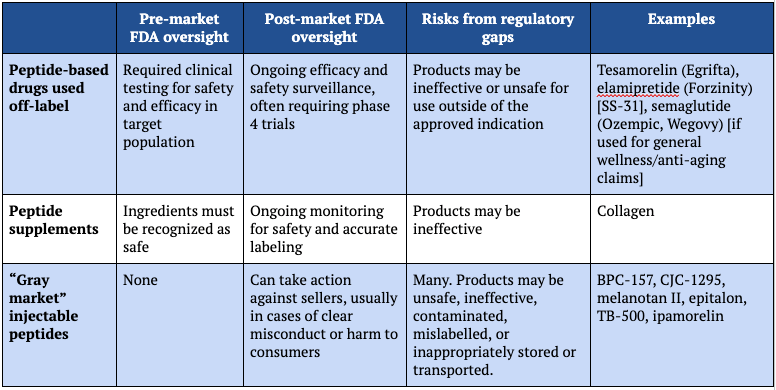
Figure 3. FDA oversight of peptide therapies.
Inside the gray market: how peptides are sold, regulated, and why testing cannot guarantee safety [1:26:45]
A lot of people listening to this might be wondering, “If they’re not approved and not monitored for safety, who’s actually making them?”
- When you think of taking a supplement, you’re buying it at the store
- If you’re going to take a medication, you get it through a doctor, a pharmacy
How do people get them?
- Some of them are made by research labs
- Some of them are made by compounding pharmacies
⇒ Peter discusses the compounding pharmacy world in great detail in AMA #52
They’re typically sold online or in markets with very little oversight (like a med spa)
Peter points out, “The FDA doesn’t regulate the practice of medicine, so it doesn’t police individual doctors who prescribe peptides.”
- State medical boards regulate physicians and they frankly are only going to intervene if there’s clear misconduct or harm
- This has largely been unproblematic for individual physicians or clinics
- So that’s the sort of way that’s how they get away with it
But to get more specific, this is what happens
- The selling company labels it for “research purposes only” and “not for human consumption”
- They have to have those statements on the product they’re selling
- So they avoid any explicit statements about clinical effects or dosing for humans
- They use very scientific language rather than therapeutic claims
- So they’ll say it binds the growth hormone receptor instead of builds muscle burns fat
Under that facade, somehow no pre-market approval or manufacturing standards apply
- The products can be sold like lab reagents rather than drugs
- Now, because these products are indeed being marketed for human use, the FDA can step in to crack down on manufacturers because the FDA regulates based on intended use, not simply what a product is
- And the intended use is actually inferred from the totality of circumstances: website copy testimonials, dosing charts, before and after photos, influencer marketing, all of that can serve as evidence
- Peter suspects that most of the companies that are selling this are keeping a little bit of distance between them and the marketing side of this
Peter thinks the FDA’s enforcement history here shows that it basically only intervenes when a company crosses into overt health claim territory
- If a site claims that they’re treating arthritis or burning fat or something, posting very clear dosing instructions for self-administration
Peter explains, “In other words, it’s not that peptide sales are legal, it’s that they’re NOT explicitly illegal until someone markets them as therapy.”
- This is the gray market in which this world exists in this very narrow semantic gap between sold as a research material and sold as a drug
In the AMA on compounding pharmacies, we learned they can exist on a huge spectrum—some can be very legitimate, some can be very illegitimate. If someone listening is still looking at peptides, is there a way they could see third-party testing?
How could they try to understand the source where it’s coming from and if it’s more on the legitimate versus illegitimate side?
- A few independent groups do test peptides purchased directly from online vendors ‒ Peter’s research team came across one called Finnrick
- They receive vials on the open market and run HPLC or mass spec analysis to confirm and identify the approximate purity of what’s inside
- And this is of course the gold standard analytical technique because they can precisely separate and identify molecules down to the smallest amounts, nano and even picogram quantities
- But they’re also really technically demanding and expensive, which is why most vendors don’t use them and why independent testing can be really valuable
Peter points out, “This third-party testing is also more useful than a vendor posting its own in- house certificate of analysis because it’s at least reflective of the real supply chain, but it’s still super limited.”
- These tests usually cover identity at purity and quantity
- But they DON’T tell you if the product is sterile, if it’s free of endotoxin, if it’s free of aggregates or stable once it’s reconstituted because remember
Peter explains, “You get these things usually in a powder form and you have to put sterile water in them to reconstitute them.”
- Lots of things can happen right?
- They also only occasionally test samples so you’re not able to test every vial
And even if you get a good batch, the peptides themselves are chemically very fragile
- They can aggregate, which means the molecules can clump together
- They’re very sensitive to heat or cyclic heating and cooling
Peter thinks that these types of tests are definitely valuable, but by themself, they’re not necessarily going to guarantee safety
Limitations of oral peptides, and examples of peptides in bucket #4 [1:31:45]
- We get asked a lot about oral versions of these peptides
- A lot of times people might be afraid to inject (for various reasons)
What do we know about the oral versions of peptides that are being sold?
- They are often marketed as an easier alternative, but they’re unlikely to be effective
⇒ Peptides are very poorly absorbed in the gut. They’re rapidly degraded by stomach enzymes and digestive enzymes, and their bioavailability is typically <1%
- You can see this even with highly, highly engineered forms of pharmaceutical peptides like the oral version of semaglutide, whose bioavailability is somewhere between 0.4-1% compared to the approximately 90% bioavailability for the injectable version
- And that’s after extensive formulation done by a major drug company
If reliable oral peptide delivery were easy, that’s the form we’d be using
- Peter doesn’t trust these gray market guys to do anything, certainly not come up with a great way to make something that is going to withstand the harsh gastric environment of the stomach
Earlier, we didn’t mention anything in bucket #4. Are there any examples of peptides that are clearly in bucket #4?
- Yeah, actually, there are some that are just straight out stolen in bucket #3
- Bucket #4 is approved drugs that are just being ripped off
- So consider this just pure IP plagiarism where there’s no regulation
- But that’s even being done in drugs in phase III or phase II
A classic example is semaglutide
- You’ve got the FDA-approved versions like Ozempic and Wegovy
- We understand a lot about this drug, but remarkably there are still people that are selling this through gray market for research use only
- Peter can only imagine that the incentive for doing this is to circumvent the cost
Tirzepatide is another one
- The FDA-approved version of this is Mounjaro and Zepbound
- But again, people are selling this stuff illegally for research purposes only
Then if you want to go into bucket #3, you’ve got retatrutide
- Which somehow has already got a peptide bro-name called “RT3A”
- This is an Eli Lilly investigational drug, so it’s under IND still, but it’s in phase III
- It looks incredibly promising
- Barring a disaster, retatrutide will gain FDA approval in the next year or so
- Peter suspects it will be an even more efficacious drug than tirzepatide, which itself is significantly more efficacious than semaglutide
- Patients are asking Peter, “Hey, should I be getting retatrutide peptide?”
- And his answer is, “No, you should not be. You should be using tirzepatide until this drug is approved.”
- That gives you a sense of what that world looks like
Do we know when retatrutide could be potentially approved?
- Peter doesn’t, but he’s sure that’s knowable
The future of peptides: real therapeutic potential versus hype in the wellness market [1:35:00]
What hurdles prevent people from making peptides into viable therapies?
Peter is going to answer this question through the lens of the industry that makes these things not the gray market resellers
- Historically, peptides, while they have lots of advantages, they’ve presented a number of challenges
- 1 – They have a lot of instability in vivo
- 2 – They’re typically lacking in membrane permeability, so they can’t enter cells very easily
- 3 – Their cost of production can be high relative to traditional small molecule therapies
- But again, these are not insurmountable
Peter explains, “The truth of the matter is GLP-1 agonists and insulin are expensive for a reason—they are actually expensive to make.”
- It’s not just that companies are gouging you when they make these things
- They’re not as expensive as they need to be in the United States, that’s for sure
- But even in other countries, these drugs cost much more than small molecules for all the reasons noted
- As the field of peptide therapeutics is poised to continue expanding rapidly with modern techniques for peptide design, it’s easier than ever now using techniques and tools like Alphafold to understand how the sequence of amino acids will predict a peptide or protein structure
Peter thinks we’re poised to see more peptide therapeutics, but again, they virtually never rely on natural peptides for all the reasons he said: the permeability, the stability and production costs
- So we’re really going to be looking at things that are engineered and that have structural elements and features that increase their resistance to all the things that break peptides down
- 4 – Delivery continues to be a challenge as most peptide based therapies will probably need to be delivered via injection
- That obviously challenges things like adherence, and you’re still going to have costs
As a class, Peter thinks peptides are promising
Are there particular areas where you think peptides are likely to be useful in the future?
- They have several advantages over small molecules as a general class
- Higher specificity—they usually target just one very selective molecular receptor or target
- Very good safety profiles and very tolerability—they are rapidly broken down into harmless metabolites in vivo
- They have very minimal off-target effects
Numerous peptides are currently in development right now or have been approved for the treatment of anything from GI disorders to cardiovascular disease, cancer, and other conditions
- In addition to the ones that have already been approved, there are currently about 150 peptides that are in clinical trials right now
- So IND (investigational new drug) applications are received, they’re in a clinical trial not yet approved, and then there are another 6-700 that are in the pre-IND phase
- There’s a lot of interest in this space, but again, he wants to paint the cautionary tale
“Keep in mind, a lot of these are going to fail and it’s going to be those failures that still somehow wind up being sold for research purposes only to the wellness market if this trend continues.”‒ Peter Attia
Zooming out, what do you want listeners to take away from this conversation?
- The big picture is that peptides are a legitimate, powerful class of therapeutics, but the legitimacy is confined to a relatively narrow subset of them
- Most of what people are encountering today when they think of peptides is not the legitimate peptides that have been through the rigorous process of validation
- And instead, it’s this kind of wellness space which has been dominated by a lot of hype, incomplete evidence, poor regulation
- These things are either:
- Biologically unconvincing, clinically abandoned, investigational drugs that are being used before approval
- Repackaged versions of real drugs that are being ripped off
The lesson is:
- Don’t abandon the idea of peptides
- Be skeptical of claims that are too good to be true
- And if you’re buying something for research purposes only, you’ve got to be thinking long and hard about why
****
Brief summary of claims about peptides and responses from the research team
- General claims about peptides
- Claim: Peptides are not FDA-approved mainly because approval is too expensive and stifles innovation.
Response: Cost is not a sufficient explanation for why many of the most promoted peptides still lack credible human efficacy data. If a peptide produced large, reliable benefits for high-demand indications such as wound repair, tendon healing, or body composition, there would be strong commercial incentive to run the trials and secure approval, because those markets are massive. The more plausible explanation is that the effect sizes are small, inconsistent, not reproducible in humans, or the risk–benefit profile is unattractive once tested rigorously. Peptides are also routinely modified and patentable, so “can’t monetize” is often a post hoc narrative rather than a real constraint. - Claim: Peptides are “novel” molecules in health and wellness.
Response: Peptides are short chains of amino acids. They are ubiquitous in human biology and have been central to modern therapeutics for decades. - Claim: “Peptides work” or “peptides do not work” as a category.
Response: The category is too broad to evaluate as a single entity. Some peptide drugs are foundational therapies (insulin, GLP-1 agonists). Many injectable “wellness peptides” are unapproved, poorly studied, or clinically abandoned. - Claim: Peptides are usually “natural,” so replacing them is inherently restorative.
Response: Many therapeutically relevant peptides are engineered analogs designed to change receptor affinity, half-life, stability, or tissue distribution. “Natural” does not imply safe, effective, or appropriate for injection. - Claim: Peptides are naturally occurring “short-chain amino acids,” people are “deficient,” and replacing them restores foundational signaling.
Response: Peptides are short chains of amino acids, and many endogenous peptides do serve signaling roles. However, there is no evidence that we are broadly deficient in any of these peptides, and as such there is no support for a general “deficiency replacement” rationale for injecting peptides. Additionally, the peptides people inject are not in their “natural” form. Most therapeutic peptides are engineered analogs designed to change stability, receptor binding, or pharmacokinetics. The “replace what you lack” framing is marketing, not physiology. - Claim: Peptides are intrinsically safer than small molecules because they break down into amino acids.
Response: Safety is molecule-specific and dose-specific. Even when metabolites are benign, upstream pharmacology may not be. For gray-market injectables, the safety problem expands to sterility, endotoxin, impurities, degradation, aggregation, mislabeling, and handling errors. - Claim: FDA-approved peptides are uniquely expensive because of “price gouging.”
Response: Peptide manufacturing is often more complex and costly than small-molecule synthesis. Pricing can still be distorted in the United States, but production complexity is a real contributor.
- Claim: Peptides are not FDA-approved mainly because approval is too expensive and stifles innovation.
- The “patent incentive” narrative
- Claim: Peptides are not studied because they cannot be patented.
Response: This is false. Patent limitations apply to raw products of nature, but peptide therapeutics are routinely modified and patentable through analog design, salts, formulations, delivery systems, and manufacturing processes. - Claim: Lack of pharma sponsorship explains lack of trials.
Response: Many non-pharma substances have extensive RCT literatures. When evidence is thin after decades of claims, the limiting factor is often scientific weakness rather than solely economics.
- Claim: Peptides are not studied because they cannot be patented.
- How peptide claims should be evaluated
- Claim: A plausible story (“boosts mitochondria,” “accelerates healing,” “improves recovery”) counts as a mechanism.
Response: A mechanism requires a defensible chain of steps from target engagement to downstream effect, supported by evidence. Vague functional language is not a mechanism. - Claim: A therapy can be taken seriously even without a mechanism.
Response: The proportion of approved drugs without a known mechanism is small. Absence of a mechanism should increase skepticism, especially when other evidence is weak. - Claim: Biomarker movement is sufficient proof of benefit.
Response: Biomarkers can be supportive, but they are not clinical endpoints. A molecule that increases GH and IGF-1 does not automatically deliver durable improvements in body composition, performance, or health outcomes. - Claim: Animal and cell studies are enough to justify human use.
Response: Translation failure is common. Cell culture concentrations frequently exceed what is achievable in humans. Rodent effects often do not replicate in humans, especially when dosing, bioavailability, and tissue exposure are unknown. - Claim: Safety can be assumed when short-term tolerance looks acceptable.
Response: Short-term tolerability does not establish long-term safety. Chronic use can introduce risks that are invisible in short trials. - Claim: There are many placebo-controlled, double-blind trials for peptides.
Response: There are many rigorous trials for FDA-approved peptide drugs and late-stage candidates. However, an RCT for one peptide does not extend to all peptides, especially for peptides with vague, hard-to-measure claims like “healing,” “longevity,” or “recovery” in the wellness market. For several of the most promoted peptides, the human outcome evidence is thin to nonexistent. - Claim: “No RCTs” implies a conservative bias, not a real absence of evidence.
Response: When dramatic claims persist for decades without even a small randomized trial, that absence becomes meaningful. If effect sizes were large and reliable, basic trials would be straightforward.
- Claim: A plausible story (“boosts mitochondria,” “accelerates healing,” “improves recovery”) counts as a mechanism.
- Regulatory and market claims
- Claim: “We aren’t compounding a drug” when synthesizing natural peptide signals.
Response: Many of the most prominent drugs on the market are peptides, including insulin and GLP-1 agonists. These are approved and regulated as drugs or biologics. As such, many products sold as “peptides” function as unapproved drugs in practice because they are used to treat symptoms or diseases. The relevant questions remain the same: plausible mechanism, human outcome evidence, pharmacokinetics, dosing, safety, and product quality. “Natural signaling” does not answer those questions. - Claim: Off-label use implies a therapy is broadly safe and appropriate.
Response: Approval is indication-specific. Risk tolerance for a severe disease population differs from risk tolerance for healthy users seeking marginal gains. - Claim: “Research use only” makes peptide sales legitimate.
Response: The label is a semantic strategy to avoid explicit therapeutic claims. Enforcement often hinges on “intended use,” which can be inferred from dosing charts, testimonials, before-and-after photos, and influencer marketing. - Claim: Clinicians prescribing peptides are directly regulated by the FDA.
Response: The FDA does not regulate the practice of medicine. State medical boards regulate clinicians and often intervene only after clear harm or misconduct.
- Claim: “We aren’t compounding a drug” when synthesizing natural peptide signals.
- Product quality, third-party testing, and real-world risk
- Claim: Compounded products are safe because pharmacies are inspected and APIs come from the same suppliers used by major manufacturers.
Response: Even if the active ingredient identity and concentration are confirmed, that is not the full safety problem for injectables. Sterility, endotoxin, impurities, degradation, aggregation, stability after reconstitution, and handling errors remain decisive risks. “Same API source” does not establish that a vial is safe for injection or clinically equivalent. - Claim: A certificate of analysis proves a peptide is safe to inject.
Response: Typical testing focuses on identity, purity, and approximate quantity. It does not establish sterility, endotoxin burden, aggregation state, stability after reconstitution, or safe handling across the distribution chain. - Claim: Independent testing solves the gray-market safety problem.
Response: Independent testing can reduce uncertainty about identity and purity, but it cannot certify sterility or endotoxin across all vials, lots, and storage conditions. Sampling is sporadic, and peptides are chemically fragile. - Claim: If a vial looks clear, it is intact and safe.
Response: Aggregation and degradation can be invisible. Aggregates can reduce efficacy and increase immunogenic risk. - Claim: If you feel the peptide “works,” that confirms authenticity.
Response: Subjective effects are not chemical verification. Placebo effects, concurrent interventions, and regression to the mean can mislead.
- Claim: Compounded products are safe because pharmacies are inspected and APIs come from the same suppliers used by major manufacturers.
- Oral peptide claims
- Claim: Oral peptides are a convenient substitute for injection.
Response: Most peptides are degraded in the gut and poorly absorbed. Even highly engineered pharmaceutical peptides can have very low oral bioavailability. Most gray-market oral peptide products have no credible delivery validation. - Claim: Collagen proves oral peptides are broadly effective.
Response: Collagen works as a substrate and signaling stimulus after digestion. Most therapeutic peptides require intact receptor interaction and do not survive digestion in meaningful amounts.
- Claim: Oral peptides are a convenient substitute for injection.
- Classification framework for “wellness” peptides
- Claim: All peptides should be treated the same way.
Response: Peptides can be classified by evidence and regulatory status:- Category 1: No defensible use case. Mechanism is absent or not credible, human evidence is absent or negative, claims drift over time, and the marketing narrative drives adoption.
- Category 2: Mechanistically plausible but clinically abandoned or never meaningfully developed. Human evidence is limited, outcomes are unproven, long-term safety is unknown.
- Category 3: Real mechanism with serious development, sometimes with approval for a narrow indication or active clinical trials. The molecule may be legitimate in a defined population, but popular “wellness” use is not supported.
- Category 4: Unregulated copies of approved drugs or investigational drugs sold outside regulated supply chains.
- Claim: All peptides should be treated the same way.
- The forward-looking view on peptides
- Claim: Peptides are inherently a dead end because they are unstable and hard to deliver.
Response: Peptides face real constraints: instability, poor membrane permeability, and challenging delivery. Those constraints are not insurmountable, as shown by multiple successful peptide drug classes. - Claim: Peptide therapeutics are likely to expand substantially.
Response: This is reasonable. Modern design tools, structural prediction methods, and chemical modifications support continued expansion. - Claim: Delivery will remain an obstacle.
Response: Injection will remain common for many peptides due to bioavailability constraints. Workarounds exist (devices, pumps, inhaled routes, improved formulations), but the delivery problem will continue to shape feasibility and adherence.
- Claim: Peptides are inherently a dead end because they are unstable and hard to deliver.
“Database” of the top peptides the research team investigated
GHRH/growth hormone related
CJC-1295
Is there a viable mechanism of action? Yes. CJC-1295 is a modified analogue of the first 29 amino acids of GHRH, designed to resist degradation and stimulate pulsatile GH release, increasing downstream IGF-1. Versions with DAC bind albumin to extend half-life without blocking receptor activity.
Do we have any safety data or data to inform usage protocols? Limited. Short-term human studies (4–8 weeks) suggest relative tolerability, with common issues including large injection-site reactions, headache, and diarrhea. No long-term CJC-1295 data exist; risks are inferred from approved GHRH analogues (e.g., tesamorelin), including fluid retention, glucose dysregulation,, and theoretical cancer risk.
Do we have evidence that it has the intended downstream effects in generally healthy humans? Very limited. One small short-term study in healthy adults showed 2–10× increases in GH and 1.5–3× increases in IGF-1, but no clinical or functional outcomes (fat loss, muscle, performance, sleep) were assessed. A separate HIV lipodystrophy study was halted after a participant death (deemed likely unrelated) and never published. Evidence would need to be extrapolated from other GHRH analogues (tesamorelin) or GH.
How do potential risks balance against potential benefits? With limited information about dosing and monitoring, the risk/benefit balance is unfavorable.
Are legitimate, approved alternatives available? There is no approved version of CJC-1295; however, there are several approved drugs that target the growth hormone axis, such as tesamorelin or recombinant human growth hormone.
Bucket: 2 (biologically plausible, real human data, but if you “need GH,” use an approved GH/GHRH drug instead)
Sermorelin
Is there a viable mechanism of action? Yes, it is a synthetic form of GHRH made of the first 29 amino acids. The half-life for sermorelin (~4-20 minutes) is much shorter than CJC-1295.
Do we have any safety data or data to inform usage protocols? Sermorelin was developed as a drug for GH deficiency in children and as such, there is robust safety and usage data in this pediatric population. Data in healthy adults is more limited, though not non-existent. In pediatric populations, no significant alterations in glucose levels or excessive IGF-1 increases were seen after 1 year of daily treatment at doses ranging from 20–60 ug/kg/day given subcutaneously. Intranasal delivery was less favorable, both in terms of increased risk for side effects and substantially reduced absorption.
Clinical trial data evaluating safety and dosage in adults is limited, though several small studies (mostly short-term, and mostly at a low dosage, up to 2 mg/day) in relatively healthy adults have been conducted without any major adverse events reported beyond the usual injection site reactions. One small clinical trial was conducted in older adults (n=19, ages 55-71) using a modified form (Nle27-GHRH-(1-29)) that is slightly more stable than sermorelin. After 4 months of 10ug/kg/day subcutaneous treatment, the only noted side effect was transient hyperlipidemia.
Do we have evidence that it has the intended downstream effects in generally healthy humans? Sermorelin is primarily purported to increase lean muscle mass. Data from studies in GH deficiency children shows a clear benefit for improving stature (with numerous clinical trials showing approximately a 2x increase in growth rate), but studies in adults directly assessing body composition and/or athletic performance are far less exciting. Several small studies, mostly in men, show that both intravenous (1ug/kg) and subcutaneous (0.5-1mg) injections of sermorelin increase GH levels, suggesting there is a biological effect in adults. One study in older men saw no change in body composition, though they did note modest improvements in muscle strength and endurance tests. One study on both men and women found a small increase in lean muscle mass for men, but no changes in women. Overall, there is some positive data here, albeit in only a handful of patients.
How do potential risks balance against potential benefits? The data we have for sermorelin suggests it’s relatively safe and does produce a biological effect. The evidence regarding its touted benefits is less compelling but not non-existent. This could be worth trying with appropriate monitoring if it could be obtained from a reputable source (but this seems unlikely).
Are legitimate, approved alternatives available? Sermorelin, sold as Geref and listed as GHRH-(1-29)NH2 in some studies, received FDA approval for growth hormone deficiency in children in 1997. Manufacturing was halted in 2008 for business (not safety) purposes and the drug lost its FDA approval. (The exact reason for halting production is unclear; some sources say it was due to manufacturing difficulties, while others say it was due to inadequate market demand.) Another company could seek approval from the FDA to produce a generic but there aren’t any on the market. Similar GHRH analogs, such as tesamorelin, are available.
Bucket: 3. While sermorelin was an FDA-approved drug with appropriate safety and efficacy data for its indication, it is no longer FDA approved and is only available as a gray market peptide.
Tesamorelin
Is there a viable mechanism of action? Yes, it is a stabilized analogue of full-length (44 aa) GHRH
Do we have any safety data or data to inform usage protocols? Yes, within its approved indication. FDA labeling includes warnings for fluid retention, glucose intolerance/diabetes, and theoretical neoplasm risk; monitoring is recommended. Long-term safety outside the approved population is not established.
Do we have evidence that it has the intended downstream effects in generally healthy humans? Evidence largely supports benefit in HIV-associated visceral adiposity, not in generally healthy individuals. However, there have been small studies showing increases in IGF-1 in healthy adult males, as well as modest reductions in visceral adiposity in people with abdominal obesity.
How do potential risks balance against potential benefits? If taking the approved version and monitoring IGF-1 and glucose levels along with progress toward desired outcome (e.g., fat loss), then this may be worth trying. However, access to the FDA approved drug is difficult and expensive outside of the approved indication.
Are legitimate, approved alternatives available? Yes, tesamorelin is FDA approved. The patent on the original formulation is expired, meaning generic formulations are possible. However, there are no FDA approved generics on the market currently. The company has received a patent for an updated version (Egrifta WR).
Bucket: 3. Tesamorelin is FDA-approved, but only for HIV-associated lipodystrophy. What most people are actually using is a gray-market version sold “for research purposes only”—effectively an unregulated copy of an approved drug, taken for a different purpose and in a different population.
Ipamorelin
Is there a viable mechanism of action?
Yes. Ipamorelin is a synthetic pentapeptide that acts as a selective agonist of the ghrelin receptor, also known as growth hormone secretagogue receptor 1a (GHSR-1a). GHSR-1a activation leads to pulsatile release of growth hormone (GH), in turn leading to elevated levels of IGF-1.
Do we have any safety data or data to inform usage protocols?
Limited. A Phase 1 study studied escalating doses up to 140.45nmol/kg (100μg/kg) delivered intravenously and reported no significant adverse effects, though each participant was administered only one dose. A Phase 2 trial studying ipamorelin for post-GI surgery outcomes provided 0.03mg/kg intravenously twice daily for up to 7 days. This trial reported two deaths in the ipamorelin group that the investigators considered “possibly related to study drug [ipamorelin].”
As a result of these deaths, no future clinical trials were conducted by ipamorelin’s developer. The FDA considers ipamorelin as potentially presenting “significant safety risks” due to reported mortalities and the potential for immunogenicity arising from unregulated preparations and the two synthetic amino acids incorporated into ipamorelin’s structure.
No long term safety data exists beyond the 7 day trial in which two participants died.
Do we have evidence that it has the intended downstream effects in generally healthy humans?
Mixed. At the level of elevated circulating GH: yes. It is reasonable to infer some effect on IGF-1 from this data, though there are no reported IGF-1 data.
At the level of functional outcomes: no. No clinical trials have reported data for ipamorelin’s efficacy in stimulating GH- or IGF-1-like benefits for muscle gain, fat reduction, wound healing, or bone density.
How do potential risks balance against potential benefits?
Potential benefits include increased GH release, likely leading to elevated IGF-1 levels. The benefits of tesamorelin or GH therapy may be partially captured by ipamorelin administration. The risks of tesamorelin and GH therapy would then also apply, including edema, joint pain, insulin resistance/diabetes, and theoretical neoplasm risk.
It is worth considering that the risks as well as benefits are all primarily theoretical given the paucity of human data available. Because ipamorelin is not approved for human use, unregulated manufacturing impurities are a significant consideration. Self-administration of ipamorelin, if it is even ipamorelin, would in effect be an uncontrolled experiment that we cannot recommend.
Are legitimate, approved alternatives available?
Tesamorelin is the only growth hormone secretagogue FDA-approved for long term use, specifically approved for treatment of HIV-associated lipodystrophy. Recombinant human GH and IGF-1 are approved for severe cases and GH/IGF-1 deficiencies, not for muscle gain, weight loss, or injury recovery. The options for obtaining GH and GH secretagogues are generally through unregulated markets.
Bucket: Bucket 2. Clear mechanistic data, human clinical trial development was abandoned following Phase 2 mortalities in the treatment arm. No continued interest from pharma.
Ibutamoren (MK-677)
Is there a viable mechanism of action?
Ibutamoren (commonly known by its research designation, MK-677) is not a peptide, but we’re grouping it here given its homologous online influence and biological mechanism.
Like ipamorelin, ibutamoren acts ghrelin mimetic by binding the GHSR-1a receptor. Stimulation of GHSR-1a leads to increased endogenous GH pulsations, elevating IGF-1.
Do we have any safety data or data to inform usage protocols?
Numerous trials were conducted demonstrating reasonable safety, typically at 25mg/day taken orally at night. Transient increases in appetite as well as lower-extremity edema and muscle pain are commonly reported side effects at this dose. Increased fasting glucose levels, decreased insulin sensitivity, and minor but statistically significant elevations in cortisol are common. Sustained elevations in blood pressure are also reported. In general, 25mg daily is reported as well-tolerated.
In a 24 week trial of patients being treated for hip fractures, 25mg/daily ibutamoren increased the incidence of congestive heart failure (CHF) from 1.7% (1 patient) in the placebo to 6.5% (4 patients) in the ibutamoren arm. As a result, this trial was ended early and the FDA has flagged ibutamoren as carrying a risk of precipitating CHF in susceptible patients.
As is the case for most GH-dependent interventions, ongoing monitoring of blood sugar and insulin sensitivity are considered critical for long term safety.
Do we have evidence that it has the intended downstream effects in generally healthy humans?
At the level of elevating GH and IGF-1, yes. In healthy older adults (ages 60-81), 12 month daily dosing with 25mg ibutamoren increased serum GH and IGF-1 by 80% and 50% over baseline, respectively, with no change observed in the placebo arm. In patients with hip fractures, one study reported serum IGF-1 levels increasing by 84%, and another reported a raw increase of 51.4ng/mL.
However, these elevated hormone levels failed to lead to numerous intended functional outcomes. In the hip fracture studies, no functional improvements were observed in most or any measures. In generally healthy older adults, lean body mass increased in the MK-677 group (+1.1kg) and decreased in the placebo group (-0.8kg), though this was not accompanied by detectable changes in strength or physical function. No differences were observed in abdominal visceral fat or total fat mass between MK-677 and placebo arms after 12 months.
An increased appetite is reported in numerous trials. For weight loss this can be an unintended side effect. If seeking maximum anabolic signal, this increase in appetite could aid in maximizing caloric intake.
How do potential risks balance against potential benefits?
High probability of elevated circulating glucose, insulin resistance, and fluid retention. These should be monitored as their consequences can be severe but mitigated by stopping therapy. Like all other GH-mediated therapies, there is the theoretical risk of cancer development. The risk of death from CHF certainly exists, but appears limited to patients with existing comorbidities.
For benefit, there is a high degree of certainty that ibutamoren will elevate circulating GH and IGF-1. However, it is difficult to find support for the idea that this translates into functional benefit, even in populations we suspect have much to gain from elevated GH and IGF-1. In a reasonably large set of Phase 2 clinical trials, data do not demonstrate a clear benefit for fitness performance in healthy older adults, body recomposition, or functional recovery after bone injury.
Overall, the risks are real but manageable with intentional oversight from a physician, though the probability of a physician agreeing to aid in ibutamoren administration is extremely small. With uncertainty around manufacturing processes, limited chance of necessary physician oversight, and unclear functional outcomes, we cannot recommend ibutamoren administration.
Are legitimate, approved alternatives available?
Same story as ipamorelin, sermorelin, and tesamorelin. Recombinant GH is FDA-approved, though not prescribed for performance enhancement, general injury recovery, or weight loss.
Bucket: Bucket 2. After failing to show positive functional outcomes in older adults, its likely contribution to fatal congestive heart failure in frail populations, and the availability of GH for deficiencies, no clinical indication seems appealing for ibutamoren. Pharma lost interest in future development.
AOD-9604
Is there a viable mechanism of action? Yes, it is a modified portion of the tail end of hGH (amino acids 177 through 191). It was originally created for weight loss (AOD = anti-obesity drug) and is intended to include only a portion of hGH. Its purported function is increasing lipolysis (fat breakdown) while inhibiting lipogenesis (fat storage).
Do we have any safety data or data to inform usage protocols? Yes. Several clinical trials have demonstrated safety in adults across a wide range of dosages for AOD-9604 given intravenously and orally, with no significant alterations in glucose control or IGF-1 seen. Treatments studied were single dose IV infusions (25—0 ug/kg bodyweight) and short-term and long-term oral administration. Oral doses of 9-54mg/day were studied for up to one week, whereas doses of 0.25-30mg were studied for up to 24 weeks. In-depth testing was also conducted in numerous animal (oral and IV infusion) and in vitro models and found no signs of toxicity. Unlike most other peptides, AOD-9604 was developed for oral administration. This is notable because many of the safety and practicality concerns for injectable drugs (such as sterility and storage) aren’t relevant for oral consumption. Oddly, the dosage used in the safety studies was substantially higher (up to 54mg) than the initial clinical trial demonstrating enhanced weight loss (0.25–1mg). Newer clinical trials appear to be attempting to repurpose this peptide for pain management (now termed LAT8881) and are using a 30mg dosage with no reported adverse events.
Do we have evidence that it has the intended downstream effects in generally healthy humans? Despite an initial promising clinical trial and relatively robust safety data, drug development was ultimately halted due to lack of efficacy in a subsequent clinical trial. This alone is a good indication that if weight loss is the goal, AOD-9604 is probably not all that useful. Newer studies have looked at this peptide for inflammatory conditions (including pain) with reasonable preclinical data but non-significant clinical findings.
How do potential risks balance against potential benefits? The risks here seem small, relatively speaking, but there isn’t any compelling data showing any real benefit across a massive dosage range. Despite this, this peptide is banned by the World Anti-Doping Agency.
Are legitimate, approved alternatives available? No.
Bucket: 2–clinical trials for weight loss were abandoned due to lack of efficacy
Incretin & amylin
Semaglutide
Is there a viable mechanism of action? Yes, it is a GLP-1 agonist.
Do we have any safety data or data to inform usage protocols? Extensive. Developed by Novo Nordisk, supported by large Phase III programs, FDA approved, with years of post-marketing data and clear prescribing guidance.
Do we have evidence that it has the intended downstream effects in generally healthy humans? Strong evidence in obesity and diabetes populations; not studied as a “performance” or enhancement drug in healthy individuals.
How do potential risks balance against potential benefits? Favorable for approved indications, with risks well characterized and monitored. For more discussion on this, see our previous pieces on GLP-1 agonists.
Are legitimate, approved alternatives available? Yes, there are several FDA approved versions: Ozempic, Wegovy, Rybelsus
Bucket: 4—any “peptide” version is a stolen, approved drug
Cagrilintide
Is there a viable mechanism of action? Yes, it is a long-acting amylin analogue. Amylin is a hormone that promotes satiety and facilitates blood glucose regulation. Electron microscopy studies have verified the structural changes that occur when this peptide binds, confirming that this peptide binds its protein target as expected.
Do we have any safety data or data to inform usage protocols? Yes; this peptide has recently completed phase 3 trials as an obesity drug (Cagri) and is expected to be reviewed by the FDA in 2026. There are also trials underway investigating the effect of this peptide in combination with semaglutide (termed CagriSema). The most common adverse events with this drug were gastrointestinal disorders and injection site reactions. Weekly subcutaneous injections have been studied at various dosages (0.3–4.5mg).
Do we have evidence that it has the intended downstream effects in generally healthy humans? Yes, from the aforementioned clinical trials primarily assessing weight loss. One of the first trials reported significantly improved weight loss compared to placebo and liraglutide (10.2% weight loss with 4.5mg dose of cagrilintide, 9.0% with 3mg dose of liraglutide, 3% with placebo). Additional clinical trials on cagrilintide alone have been completed with pending results. Cagrilintide is also being evaluated as a combination drug with semaglutide (CagriSema); data here suggests that the combination may be more effective than either drug individually (weight loss for CagriSema 20.4%; cagrilintide alone 11.5%; semaglutide alone 14.9%; placebo 3.0%).
How do potential risks balance against potential benefits? Given the promising clinical trial results thus far, there does seem to be a benefit with an acceptable risk profile that is comparable to similar drugs (e.g. injection site reaction, GI discomfort). The greater risk is likely the source of knock-offs sold online, rather than the biological activity of the peptide itself.
Are legitimate, approved alternatives available? Pramlintide (Symlin) is an FDA-approved amylin analog that is currently available. Cagrilintide monotherapy data (and CagriSema, the combined version) are towards the end of the pipeline for FDA approval, so if you are set on taking this peptide, it may be best to wait for the actual drug to be approved.
Bucket: 3–clinical trials look promising, but has not yet been FDA approved.
Melanotides
PT-141 (bremelanotide)
Is there a viable mechanism of action? Yes. PT-141 is a more selective melanocortin receptor agonist, primarily targeting MC4R, which is involved in sexual desire and arousal pathways in the CNS.
Do we have any safety data or data to inform usage protocols? Yes. PT-141 is FDA approved for hypoactive sexual desire disorder (HSDD) in premenopausal women, with defined dosing (as-needed SC injection) and known side effects, most commonly nausea, flushing, and headache.
Do we have evidence that it has the intended downstream effects in generally healthy humans? Evidence supports benefit in the indicated population (HSDD).
How do potential risks balance against potential benefits? Favorable for the approved indication, but tolerability is a real limitation. Nausea is common and often significant, to the point that we may co-prescribe ondansetron (Zofran) to make the drug usable.
Are legitimate, approved alternatives available? Yes, this is FDA approved as Vyleesi
Bucket: 4—stolen drug
Melanotan-II
Is there a viable mechanism of action? Yes, but non-selective. Melanotan-II is an analogue of α-MSH that activates multiple melanocortin receptors, explaining its mixed effects on pigmentation, libido, appetite, and autonomic symptoms.
Do we have any safety data or data to inform usage protocols? Limited and fragmented. Early human studies and post-marketing case reports describe nausea, flushing, fatigue, yawning, and more concerning reports of priapism, sympathomimetic effects, and melanoma. We can assume these are rare, as they are only case reports, but true incidence is unknown due to lack of controlled trials.
Do we have evidence that it has the intended downstream effects in generally healthy humans? Some early studies show skin darkening and erectile responses in small samples, but data are sparse, short-term, and not linked to durable clinical outcomes.
How do potential risks balance against potential benefits? Unfavorable. Benefits are largely cosmetic or transient, while risks are poorly defined, and receptor non-selectivity increases the likelihood of off-target effects.
Are legitimate, approved alternatives available? Not Melanotan-II itself, but approved melanocortin drugs exist:
- Bremelanotide (PT-141) for sexual desire (MC4R-focused)
- Afamelanotide (Scenesse) for pigmentation in a rare photosensitivity disorder
Bucket: 2—biologically plausible, dropped in drug pipeline
Other
BPC 157
Is there a viable mechanism of action? No clear, validated mechanism. Various pathways (e.g., VEGF/NO signaling) are proposed, but there is no confirmed receptor, binding target, or coherent in-vivo MOA in humans.
Do we have any safety data or data to inform usage protocols? Extremely limited. No published, peer-reviewed human RCTs. Anecdotal short-term tolerance exists, but no pharmacokinetic data, no dosing framework, and no long-term safety data. FDA concerns focus on lack of characterization and impurities rather than specific adverse events.
Do we have evidence that it has the intended downstream effects in generally healthy humans? None. Evidence is almost entirely animal-based, heavily concentrated in a single research group, with no reliable human outcome data.
How do potential risks balance against potential benefits? Strongly unfavorable. Minimal credible evidence of benefit paired with major unknowns around mechanism, dosing, and long-term risk (including theoretical pro-angiogenic and cancer concerns).
Are legitimate, approved alternatives available? No. There is no approved version and no validated therapeutic analogue.
Bucket: 1, no clear MOA and no defensible case for use in generally healthy individuals
SS-31 (elamipretide)
Is there a viable mechanism of action? Yes, it binds cardiolipin and stabilizes the inner mitochondrial membrane in the context of a severe defect caused by impaired cardiolipin metabolism.
Do we have any safety data or data to inform usage protocols? Reasonably well characterized within its approved indication (Barth syndrome). Main adverse effects are injection-site reactions; rare hypersensitivity reported. Long-term safety beyond ~3–4 years remains uncertain.
Do we have evidence that it has the intended downstream effects in generally healthy humans? No. Clinical benefits are demonstrated only in Barth syndrome—and even these benefits are questionable, as outlined in an FDA staff briefing document issued before the approval. Trials in other conditions (heart failure, mitochondrial myopathies, AMD) largely failed to meet primary endpoints. No evidence for benefit in healthy individuals.
How do potential risks balance against potential benefits? Favorable for a rare, severe mitochondrial disease; unfavorable or neutral for healthy users, where benefits are speculative and long-term risks are undefined.
Are legitimate, approved alternatives available? Yes—Forzinity (FDA-approved SS-31) exists but is extraordinarily expensive and justified only for its approved indication.
Bucket: 3—real mechanism and approval for a narrow indication, but no support for general use.
TB-500
Is there a viable mechanism of action?
The molecular mechanism for extracellular activity is unclear. Preclinical models demonstrate effects of TB-500 administration in promoting cell migration and adhesion, mast cell activation, and angiogenesis, but no receptor/ligand interaction has been identified.
TB-500 is a short peptide fragment, LKKTETQ, derived from the endogenous protein thymosin β4 (Tβ4). In endogenous Tβ4 the LKKTETQ domain binds intracellular targets. Effects of exogenous TB-500 administration are expected to primarily occur through extracellular interactions that have yet to be described.
Do we have any safety data or data to inform usage protocols?
No. There have been no human clinical trials run with TB-500. Systemic and topical administration of full length Tβ4 is well tolerated, even near 1mg/kg systemic doses for up to 14 days. This may correspond well to acute injury healing timelines. Long term safety data is not available.
Critically, how a peptide fragment interacts with human physiology when it is lacking the normal motifs outside of the active domain requires experimental investigation. It cannot be inferred. While TB-500 has been administered to lab animals, no published studies describe human safety or dosage.
Do we have evidence that it has the intended downstream effects in generally healthy humans?
No. No clinical trials on TB-500 have been performed.
Potential benefits are inferences from animal studies, which do show beneficial effects for wound healing, or from full length Tβ4. Full length Tβ4 eyedrops passed Phase 2 trials for a degenerative corneal disease, but failed Phase 3 in Europe, with Phase 3 trials still ongoing in the US. Topical Tβ4 has failed to demonstrate benefit in Phase 2 trials for treatment of chronic pressure ulcers and for venous stasis ulcers. Another Phase 2 trial for venous stasis ulcers is ongoing.
How do potential risks balance against potential benefits?
Risks with full length Tβ4 are generally small, with Phase 2 studies consistently reporting a favorable safety profile. Again, these cannot be readily inferred as being the same for TB-500, which is missing most of the full length peptide’s sequence. Based on the available data, potential benefits of full length Tβ4 in humans are disease-state specific, if they exist at all.
From the benefits side, researchers observe elevated Tβ4 in post-operative cardiac surgery patients. This may indicate a role for endogenous Tβ4 in human wound healing. Conversely, from the risk side, high levels of Tβ4 correlate with increased metastatic potential for numerous human cancers, presumably through effects on cell motility, extracellular matrices, and angiogenesis.
Again, however, we cannot adequately infer TB-500’s safety or efficacy from the full length Tβ4 peptide. We’re therefore left with limited success of the full length peptide in clinical trials, no indication for the risks and safety of the peptide fragment in humans, and the usual warnings warranted for gray market purchases. We cannot recommend TB-500 for use in any condition in humans without appropriate manufacturing regulation and actual clinical trials for the peptide fragment itself.
Are legitimate, approved alternatives available?
No. Tβ4 has failed in numerous clinical trials, though some are still ongoing.
Bucket: If you want a real molecular mechanism, Bucket 1: we do not know what TB-500 binds to. No extracellular mechanism has been described, no human trials have been conducted. We know next to nothing about what this peptide does in humans, if anything.
GHK-Cu (injectable)
Is there a viable mechanism of action? Very tenuous: antioxidant, chelating, and antiinflammatory effects and increased production of neurotrophic factors documented in cell culture and tissue samples; mechanisms asserted based on gene expression studies; an ill-defined connection to a weakly-characterized protein called SPARC (Secreted Protein Acidic and Rich in Cysteine) that is said to be “expressed in embryonic tissues and in tissues undergoing repair and remodeling;” some apparent protective effects against acute insults in animal models; and the fact that it exists in human plasma and declines with age (and is therefore, implicitly, “anti-aging”).
Do we have any safety data or data to inform usage protocols? Not for injectable: best evidence is acute insult animal models and human topicals (cosmetic, poorly-controlled). There is one small 3-week study of the injectable in otherwise-normal aged (28 m.o.) mice with no specifics on safety.
Do we have evidence that it has the intended downstream effects in generally healthy humans? Not for injectables. Limited evidence for topical cosmetic use.
How do potential risks balance against potential benefits? The risks are unclear, and the benefits are largely speculative — a poor bet.
Are legitimate, approved alternatives available? No. For there to be an alternative, there would have to be a clear reason why one would want to take it in the first place.
Bucket: 1
Pinealon
Is there a viable mechanism of action? No. Though it is extracted from the pineal gland, there is no validated cellular mechanism. One commercial source called it a “naturally occurring compound consisting of a proprietary sequence of amino acids,” despite the fact that, by law, the sequence of a naturally occurring peptide cannot be proprietary. Another source called it a synthetic peptide of 3 amino acids (glutamic acid, aspartic acid, and arginine).
Do we have any safety data or data to inform usage protocols? Despite first being described in the 1990s, no pharmaceutical company has picked it up and no clinical trials have been conducted.
Do we have evidence that it has the intended downstream effects in generally healthy humans? No. There are very few studies that are in English, though many have an abstract that has been translated from Russian to English. The published research is virtually all in rats and/or cultured cells. There are apparently a few human studies, but the manuscripts are in Russian and/or are not actually published as formal research but rather found on company websites and slides.
How do potential risks balance against potential benefits? With no real data to inform decision either way, the risks of taking an unregulated, unapproved drug outweigh any claimed benefit.
Are legitimate, approved alternatives available? No
Bucket: 1
TA-1
Is there a viable mechanism of action? Thymosin Alpha-1 (aka Tα1/Thymalfasin/Zadaxin) is a 28 amino acid peptide hormone that is naturally produced in the thymus. Its mechanism is fairly well-characterized: TA-1 acts primarily on TLR9 in immune cells to drive an adaptive immune response that includes production of pro-inflammatory cytokines. It may also have some functions that suppress immune responses, though the clinical impact of these functions are not as well-understood. Its purported effects are all related to immune function, including treatment for viral infections, improving vaccine responses, and treating cancer.
Do we have any safety data or data to inform usage protocols? Yes. Several clinical trials have been conducted that showed only mild adverse reactions to TA-1 use. The most common reactions appeared to be transient liver enzyme fluctuations, which were attributed to immune activity rather than toxicity, and injection site redness/soreness. Some FDA documentation cites muscle aches and fatigue as side effects. Two trials tested twice a week subcutaneous injections (dosages of 0.8mg and 1.6mg) for 24 weeks in patients with hepatitis B and reported no concerning adverse events. Another assessed a twice daily dosage of 1.6mg for one week in patients with severe sepsis and reported no efficacy for their endpoint, but did not report any safety concerns.
Do we have evidence that it has the intended downstream effects in generally healthy humans? Not really; most evidence is from individuals with impaired immune function. There is some limited evidence that TA-1 can modestly augment vaccine response in older individuals. Evidence from healthy adults shows that administration of TA-1 does not produce a consistent effect on cytokine production. Under the name Thymalfasin/Zadaxin, TA-1 has been granted orphan drug designation for malignant melanoma, but does not have general FDA approval. It is used for hepatitis and for some cancers in China.
How do potential risks balance against potential benefits? The evidence that TA-1 does anything meaningful in healthy adults is quite limited, so the potential benefit here is likely quite small. Given the complexity of the immune system, caution should be used with any immune-modulating compound; for a peptide that may both stimulate and suppress immune function, extra caution is warranted. That said, clinical trial data in patients with immune compromising conditions does not show any major risks. This peptide appears to mostly be a wash.
Are legitimate, approved alternatives available? Because this drug is approved for some indications in China, one could theoretically attempt to get a version that is approved under their FDA-equivalent system, but the risk of still getting a gray-market peptide is quite high. There are no equivalent, FDA-approved drugs.
Bucket: 2. While there is some clinical trial data, it’s not particularly robust.
MOTS-c
Is there a viable mechanism of action? Yes. Endogenous MOTS-c acts as a peptide hormone, translocating to the nucleus and affecting metabolism-related gene expression, likely including recruitment of transcription factor HSF1. Implicated in AMPK-mediated glycolytic pathway and NRF2-mediated antioxidant pathway regulation. Endogenous MOTS-c expression decreases with age in humans and rodents.
MOTS-c translocates to the nucleus at a very low level in the absence of metabolic stress. The effects of exogenous administration may therefore be limited to enhancement of hormetic stressors like exercise but fail to mimic exercise-related benefits in the absence of necessary stress signals.
Do we have any safety data or data to inform usage protocols? No. No clinical trials administering MOTS-c have been reported to the FDA. A MOTS-c analog Phase 1 study (NCT03998514) was well tolerated and reported positive effects in reducing ALT/AST in nonalcoholic liver disease. This study was last updated in 2021. Neither dosing practices nor short-term safety can be directly inferred from an engineered analog and no long term safety data was provided.
Endogenous MOTS-c plasma levels elevate to ~190pg/mL during exercise, however, there is no pharmacokinetic data on bioavailability, halflife, etc. to inform exogenous dosing practices. This plasma elevation occurs acutely during high intensity interval exercise, returning to baseline by 4 hours post-activity.
Do we have evidence that it has the intended downstream effects in generally healthy humans? No, human evidence is correlative. MOTS-c levels inversely correlate with factors like age and type 2 diabetes. Increased MOTS-c levels also correlate with lower blood glucose.
In healthy mice, 3x weekly MOTS-c administration improves markers of physical performance including time and distance run on a treadmill in middle-age as well as grip strength in aged mice.
Positive effects are plausible enough the US Anti-doping Agency has banned MOTS-c as a PED due to its role in AMPK pathway modulation, however, no causal evidence of positive effects of MOTS-c in healthy humans is available.
How do potential risks balance against potential benefits? The potential benefits appear very high. But no study has been reported to narrow down the potential benefits to actual, real benefits.
Endogenous expression appears pulsatile, with elevations restricted to a ~4h window tied closely to exercise. MOTS-c pathway activation in the absence of other relevant exercise-induced factors may be benign, or even actively harmful, when endogenous regulatory mechanisms are not simultaneously activated. Systemic dosing may provide nonspecific activation of tissues beyond the intended targets, or provide no effect due to not reaching intended targets. It is simply unknown.
With a paucity of human trial data and a mechanism that appears to require co-activation of other stress pathways, the potential benefits here are limited and the risks are higher than should be tolerated. We cannot recommend exogenous MOTS-c administration.
Are legitimate, approved alternatives available? To the extent they are provided by nature: the benefits people hope to gain by MOTS-c administration are the benefits already endogenously provided by adequate exercise.
It is unclear if exogenous MOTS-c would enhance the benefits of exercise. It is mechanistically unlikely MOTS-c provides those benefits in the absence of exercise. The clearest, safest, most validated way to gain the benefits of exercise is through exercise.
Specific pathways implicated in MOTS-c signaling are also targeted by some approved drugs. AMPK signaling can be modulated by metformin administration. MOTS-c’s theoretical effects on glucose sensitivity and weight loss are obtainable through FDA-approved GLP-1 agonists like semaglutide and tirzepatide, though through different molecular mechanisms.
Bucket: For exercise enhancement: Bucket 2. The mechanism is viable but clinical trial data is limited to a single proprietary analog with development aborted despite positive Phase 1 data.
As an exercise replacement/mimetic: Bucket 1, mechanistically unsound.
There is continued MOTS-c interest in the academic literature, almost exclusively in rodent and culture models. This may lead to more human trials and elevate this to higher levels of clinical development in the future.
Kisspeptin
Is there a viable mechanism of action? Yes, though there are likely additional complexities we don’t yet fully understand. Kisspeptin binds KISS1R to activate Gonadotropin-Releasing Hormone (GnRH) neurons and regulate the hypothalamic-pituitary-gonadal axis. This is important for initiating puberty and controlling reproduction-related processes, though kisspeptin was originally identified as a cancer metastasis suppressor and may also play a role in regulating metabolism.
Do we have any safety data or data to inform usage protocols? Yes, several clinical trials using different kisspeptin formulations (including kisspeptin-54, kisspeptin 10—aka kisspeptin 112-121, and TAK-448) have been completed and showed a favorable safety profile. Dosage, route of administration (intravenous infusion, subcutaneous injection, and intranasal), and number of treatments have varied between studies, making a clear usage protocol difficult to ascertain. Likely, these variables will be dependent upon the intended effect.
Do we have evidence that it has the intended downstream effects in generally healthy humans? Yes, but ultimately it depends which function of kisspeptin you are aiming to investigate as kisspeptin is purported to have many functions. One clinical trial found that kisspeptin-54 administration triggered egg maturation in women undergoing IVF—effective, but not what most peptide users are probably interested in. Another study in healthy adult men found improved measures for bone formation with kisspeptin-54 administration, suggesting it has potential for osteoporosis treatment. Efficacy for hypoactive sexual desire disorder is likely of broader interest; here, there is some data supporting its use. Studies in men show increased penile tumescence and enhanced limbic brain activity after a single treatment with kisspeptin-54, and in women “reduced sexual aversion” and modestly improved self-report measures upon viewing sexual content. One study suggests that kisspeptin-54 administration does not affect anxiety levels, which may be relevant for its use in reproductive/psychosexual disorders.
Of note, the chronic/recurrent kisspeptin administration may produce different effects on hormone levels than a single treatment. In healthy men, an infusion or bolus of kisspeptin (in the form of TAK-448, a synthetic, longer-lasting form of kisspeptin-10) acutely raises testosterone levels, whereas chronic administration lowers testosterone levels substantially (though two subsequent clinical trials assessing TAK-488 were terminated due to lack of efficacy). Studies in women also found differences in fertility-related measurements after acute vs chronic administration of kisspeptin-54.
It is worth noting that the clinical trials above have mostly utilized kisspeptin-54 (half-life of 27.6 mins) and TAK-448 (half-life of several hours), while most gray-market kisspeptin is almost entirely kisspeptin-10 (half-life of 4 mins). The short half-life of kisspeptin-10 may require it to be administered intravenously, whereas kisspeptin-54 has been shown efficacy with subcutaneous administration. While the faster elimination of kisspeptin-10 may reduce risk for side effects and one study found that it did stimulate LH/FSH when given i.v., whether kisspeptin-10 is able to exert the clinical effects discussed above, particularly if given subcutaneously, is not entirely clear.
How do potential risks balance against potential benefits? The data here is relatively promising for several different conditions, and the overall short-term risk profile seems reasonable. That said, kisspeptin has numerous functions, only some of which are well-understood. There are several different formulations that have been evaluated, with relatively little known about how these variations alter the biological effect. That the number of treatments so substantially alters kisspeptin’s effects adds even further complexity. While there is promise, this is probably only worth trying under the guidance of a clinician who is extremely familiar with sex hormone regulation, kisspeptin’s other potential effects, and dosing protocols.
Are legitimate, approved alternatives available? There are FDA-approved options for other GnRH agonists that are appropriate for specific conditions. Kisspeptin itself is not FDA approved so there is not a “brand name” option. Bucket: 3. Promising for specific conditions with tightly controlled usage protocols, but no data to support broad use.
Selected Links / Related Material
TAZPOWER trial: Long-term efficacy and safety of elamipretide in patients with Barth syndrome: 168-week open-label extension results of TAZPOWER | Genetics in Medicine (W Thompson et al. 2024) | [22:30]
Small RCTs have assessed SS-31 but not shown significant effect effect on primary endpoints: Elamipretide: A Review of Its Structure, Mechanism of Action, and Therapeutic Potential | International Journal of Molecular Sciences (C Tung et al. 2025) | [24:45]
Pilot phase I clinical trial of melanotan-II: Evaluation of melanotan-II, a superpotent cyclic melanotropic peptide in a pilot phase-I clinical study | Life Sciences (R Dorr et al. 1996) | [32:00]
Double-blind crossover trial of melanotan-II: Synthetic melanotropic peptide initiates erections in men with psychogenic erectile dysfunction: double-blind, placebo controlled crossover study | The Journal of Urology (H Wessells et al. 1998) | [32:15]
FDA list of peptides that may present safety risks: Certain Bulk Drug Substances for Use in Compounding that May Present Significant Safety Risks | FDA.gov (2025) | [33:30]
Small RCT of CJC-1295: Prolonged stimulation of growth hormone (GH) and insulin-like growth factor I secretion by CJC-1295, a long-acting analog of GH-releasing hormone, in healthy adults | The Journal of Clinical Endocrinology and Metabolism (S Teichman et al. 2006) | [43:30]
Review of BPC 157: Multifunctionality and Possible Medical Application of the BPC 157 Peptide-Literature and Patent Review | Pharmaceuticals (M Jozwiak et al. 2025) | [1:41:45]
The primary lab developing BPC 157 defends its utility: BPC 157 Therapy: Targeting Angiogenesis and Nitric Oxide’s Cytotoxic and Damaging Actions, but Maintaining, Promoting, or Recovering Their Essential Protective Functions. Comment on Józwiak et al. Multifunctionality and Possible Medical Application of the BPC 157 Peptide-Literature and Patent Review. Pharmaceuticals 2025, 18, 185 | Pharmaceuticals (P Sikiric et al. 2025) | [1:05:30]
Other academics offer a more balanced view of the literature on BPC 157: Reply to Sikiric et al. BPC 157 Therapy: Targeting Angiogenesis and Nitric Oxide’s Cytotoxic and Damaging Actions, but Maintaining, Promoting, or Recovering Their Essential Protective Functions. Comment on “Józwiak et al. Multifunctionality and Possible Medical Application of the BPC 157 Peptide-Literature and Patent Review. Pharmaceuticals 2025, 18, 185” | Pharmaceuticals (M Jozwiak et al. 2025) | [1:05:30]
Half-life of BPC 157 in rats and dogs: Pharmacokinetics, distribution, metabolism, and excretion of body-protective compound 157, a potential drug for treating various wounds, in rats and dogs | Frontiers in Pharmacology (L He et al. 2022) | [1:08:45]
Discussion of rapamycin as a longevity drug: [1:20:45]
- #281 ‒ Longevity drugs, aging biomarkers, and updated findings from the Interventions Testing Program (ITP) | Rich Miller, M.D., Ph.D. (December 4, 2023)
- #272 ‒ Rapamycin: potential longevity benefits, surge in popularity, unanswered questions, and more | David Sabatini, M.D., Ph.D. and Matt Kaeberlein, Ph.D. (September 25, 2023)
- #207 – AMA #35: “Anti-Aging” Drugs — NAD+, metformin, & rapamycin (May 16, 2022)
Discussion of compounding pharmacies: #275 – AMA #52: Hormone replacement therapy: practical applications and the role of compounding pharmacies (October 16, 2023) | [1:27:15]
Third-party, independent testing of peptides: Top Finnrick Ratings | FINNRICK (2026) | [1:27:15]
